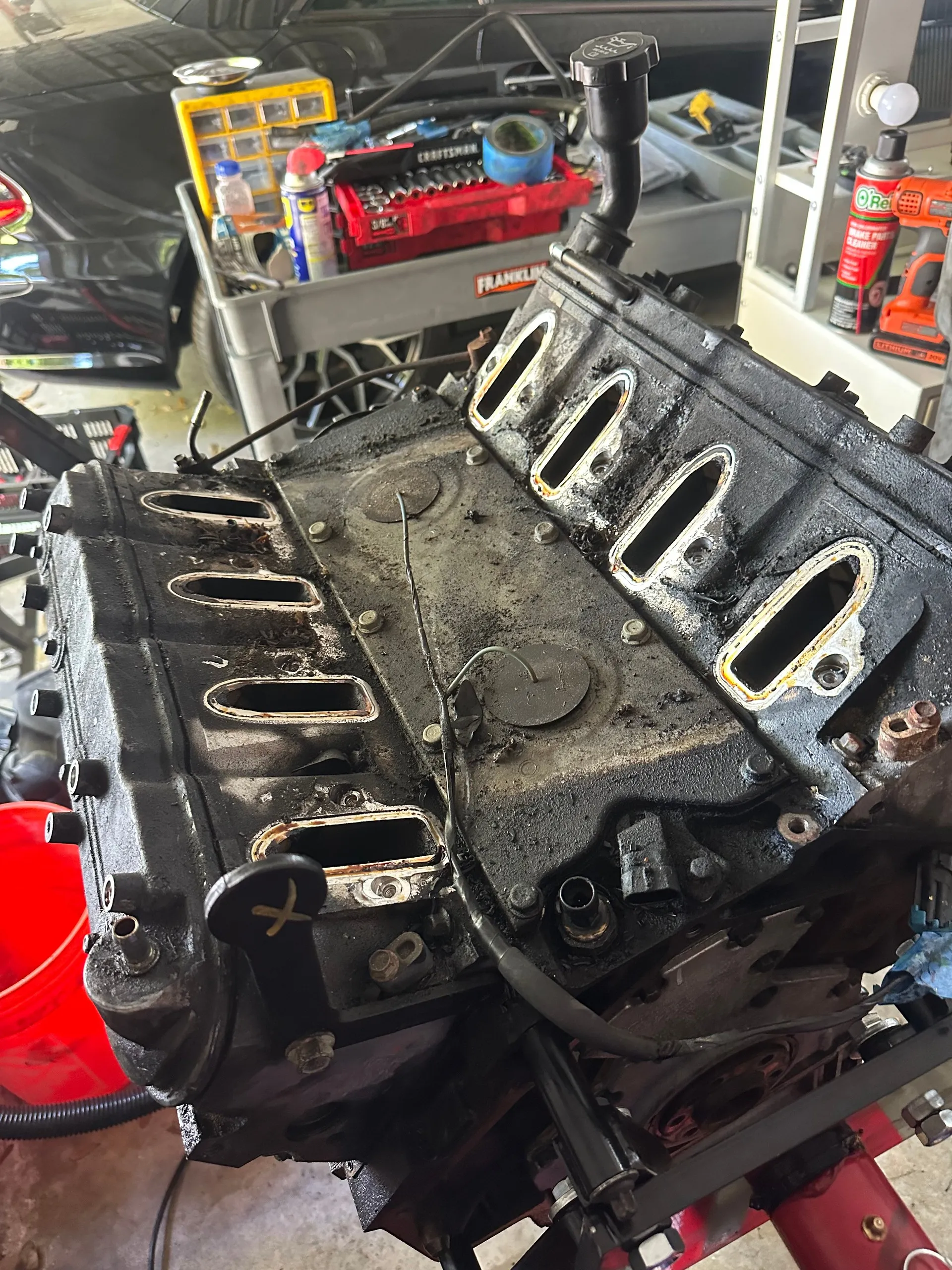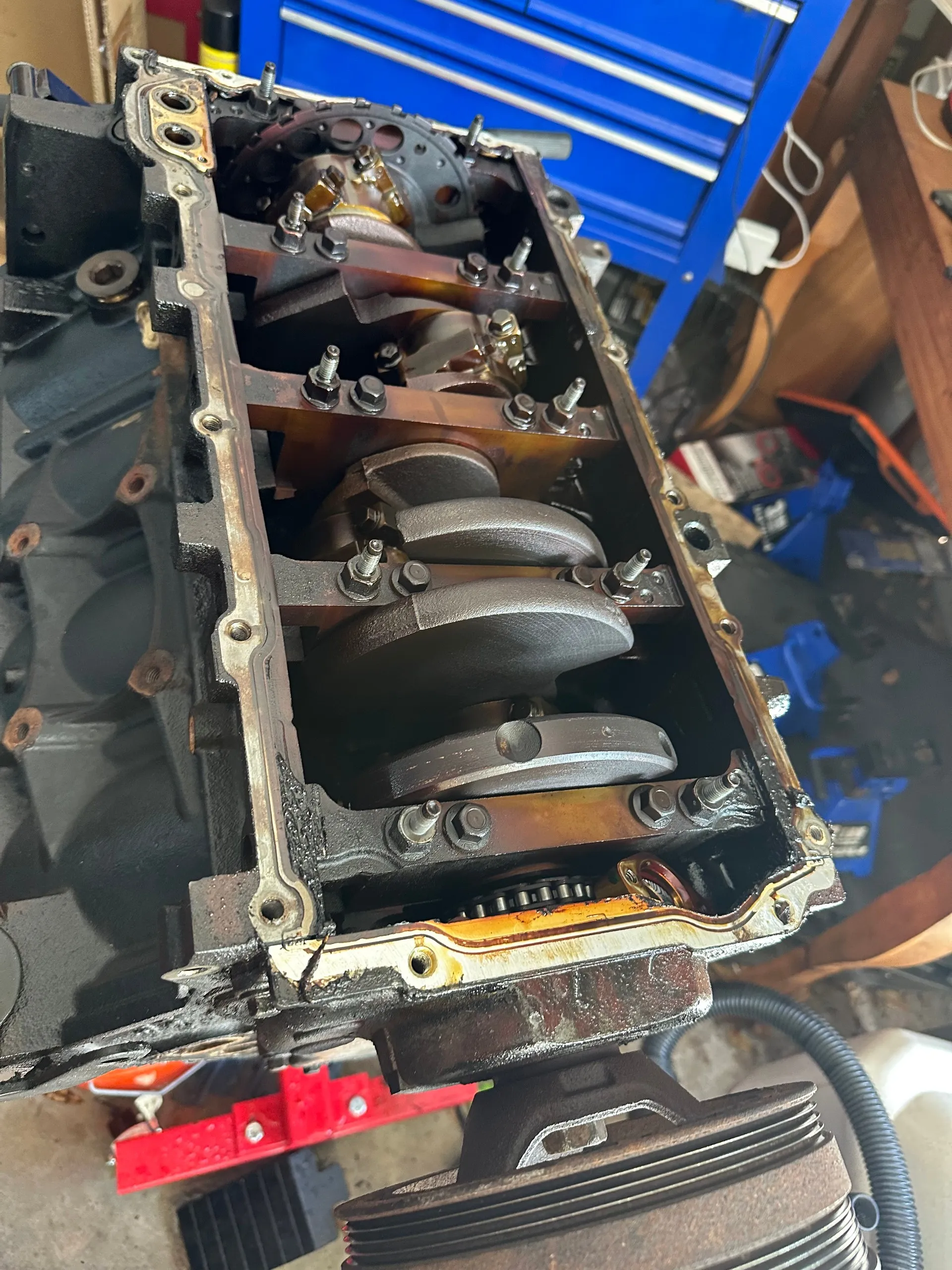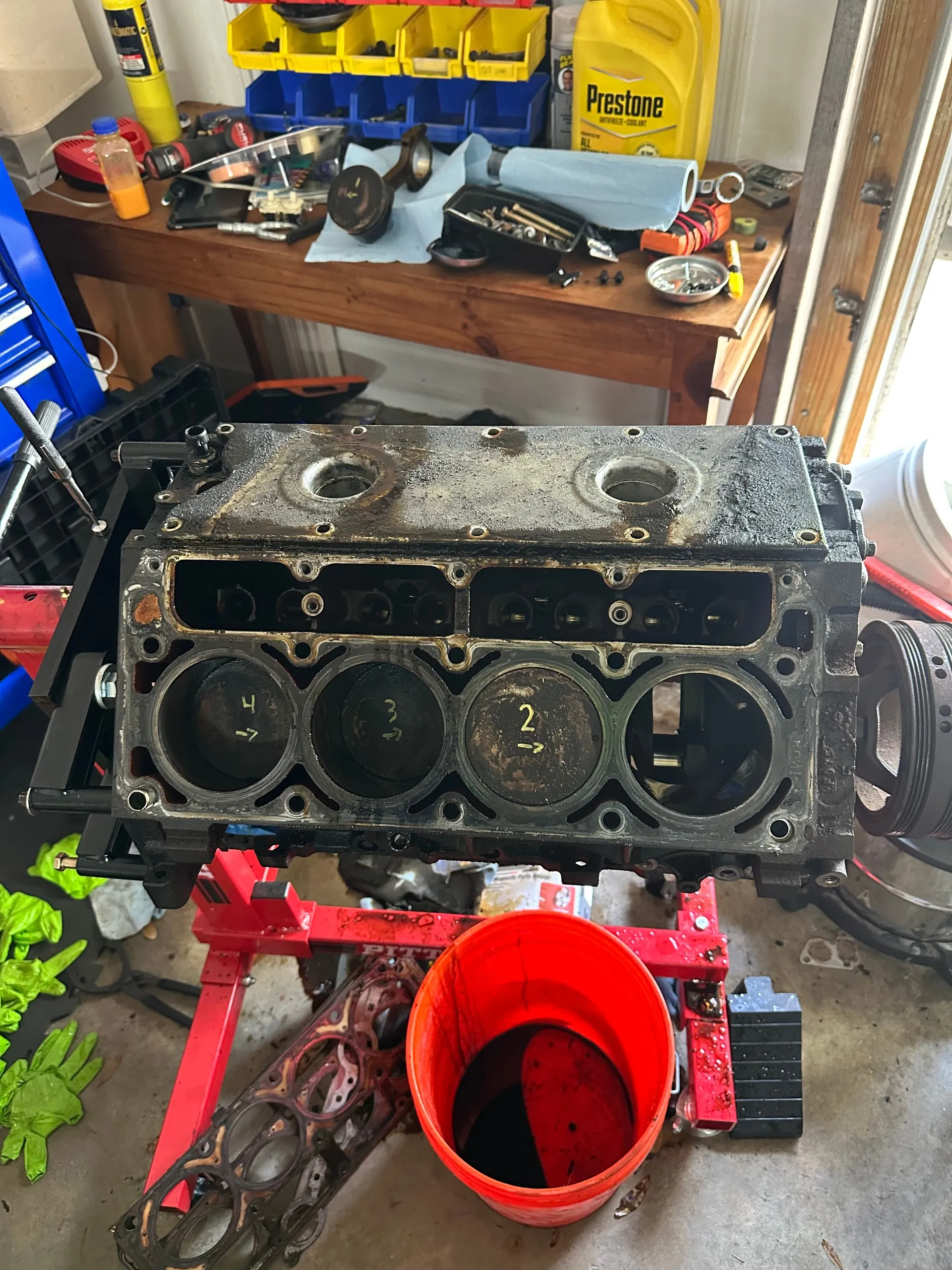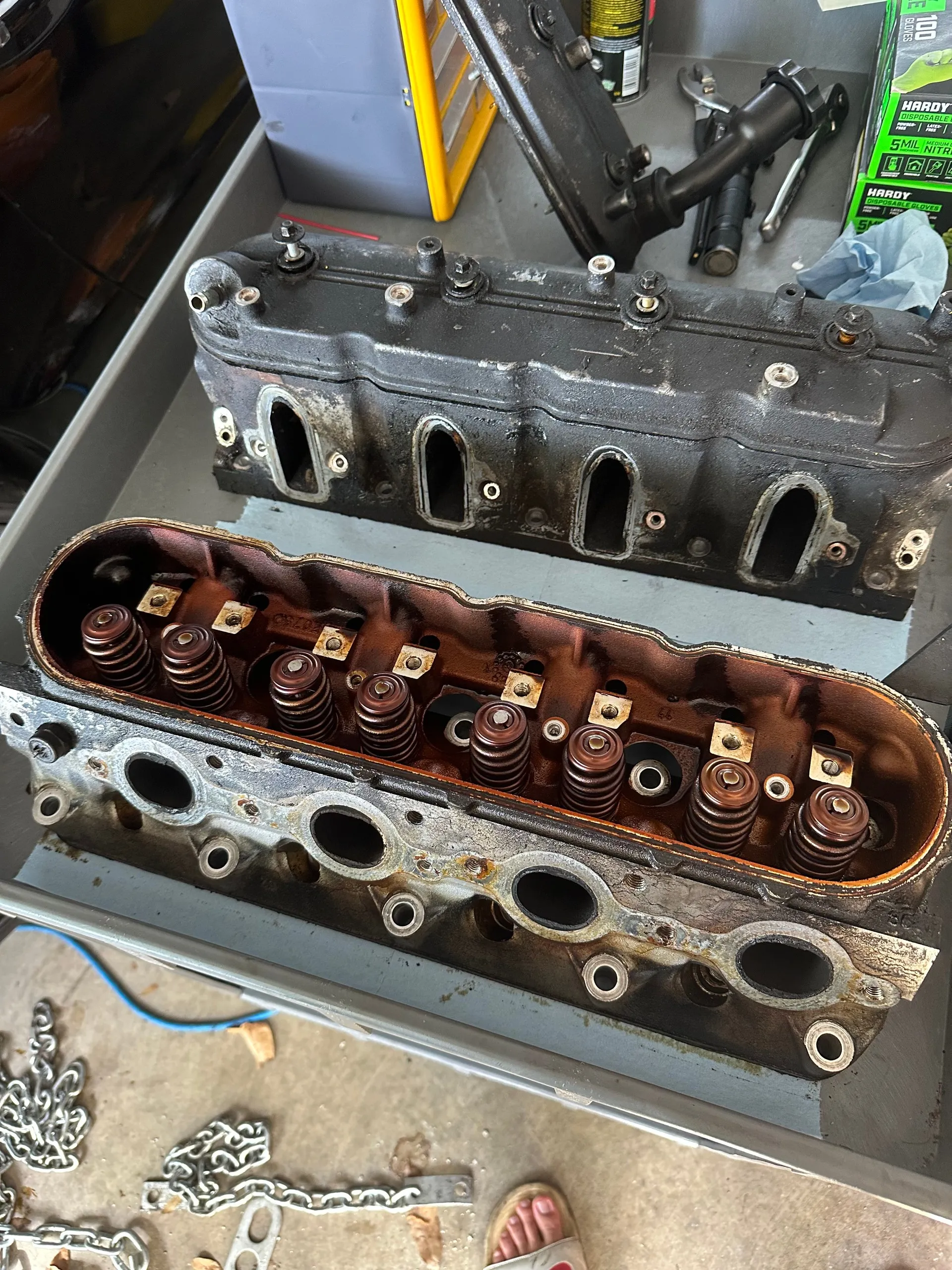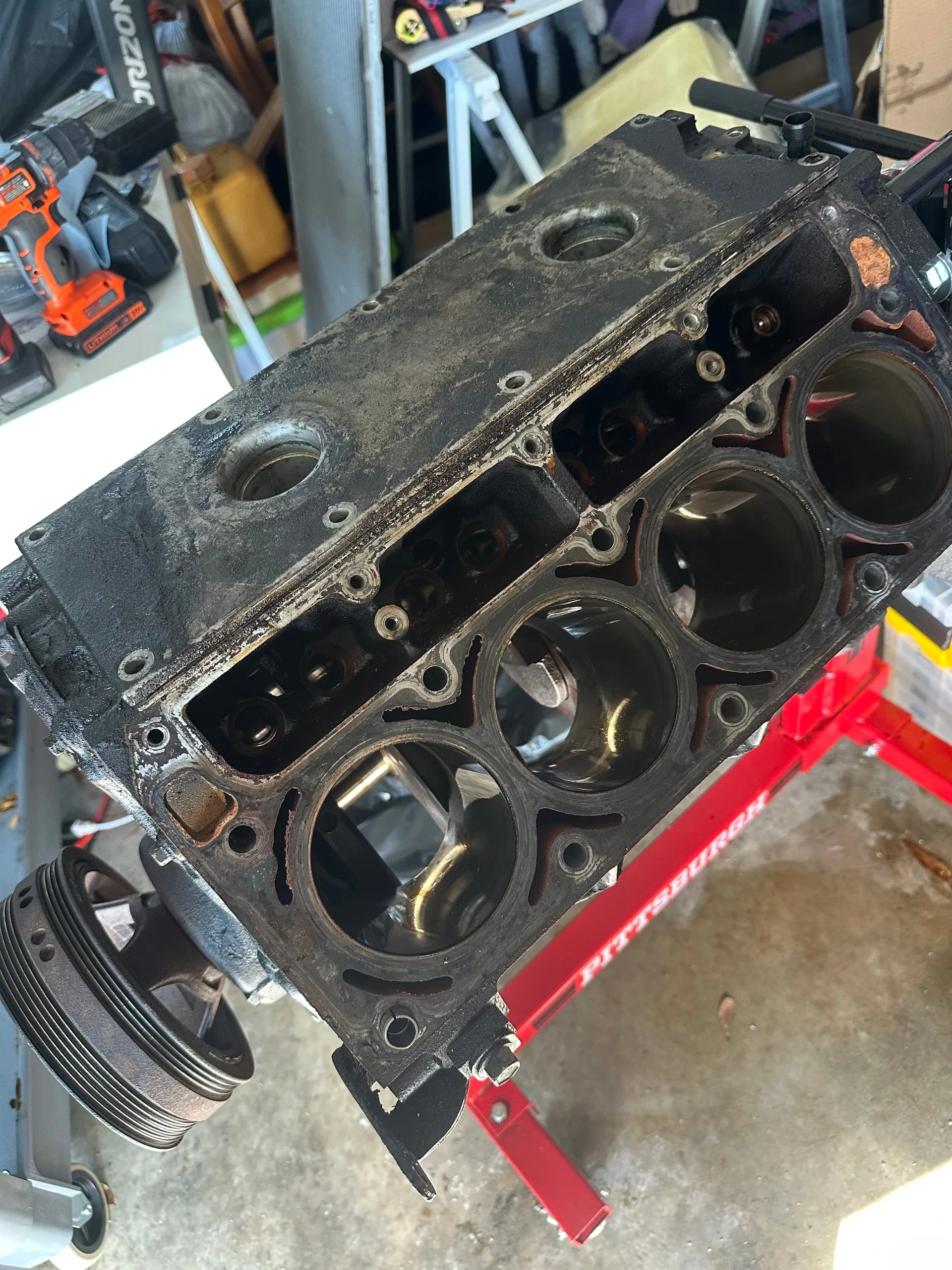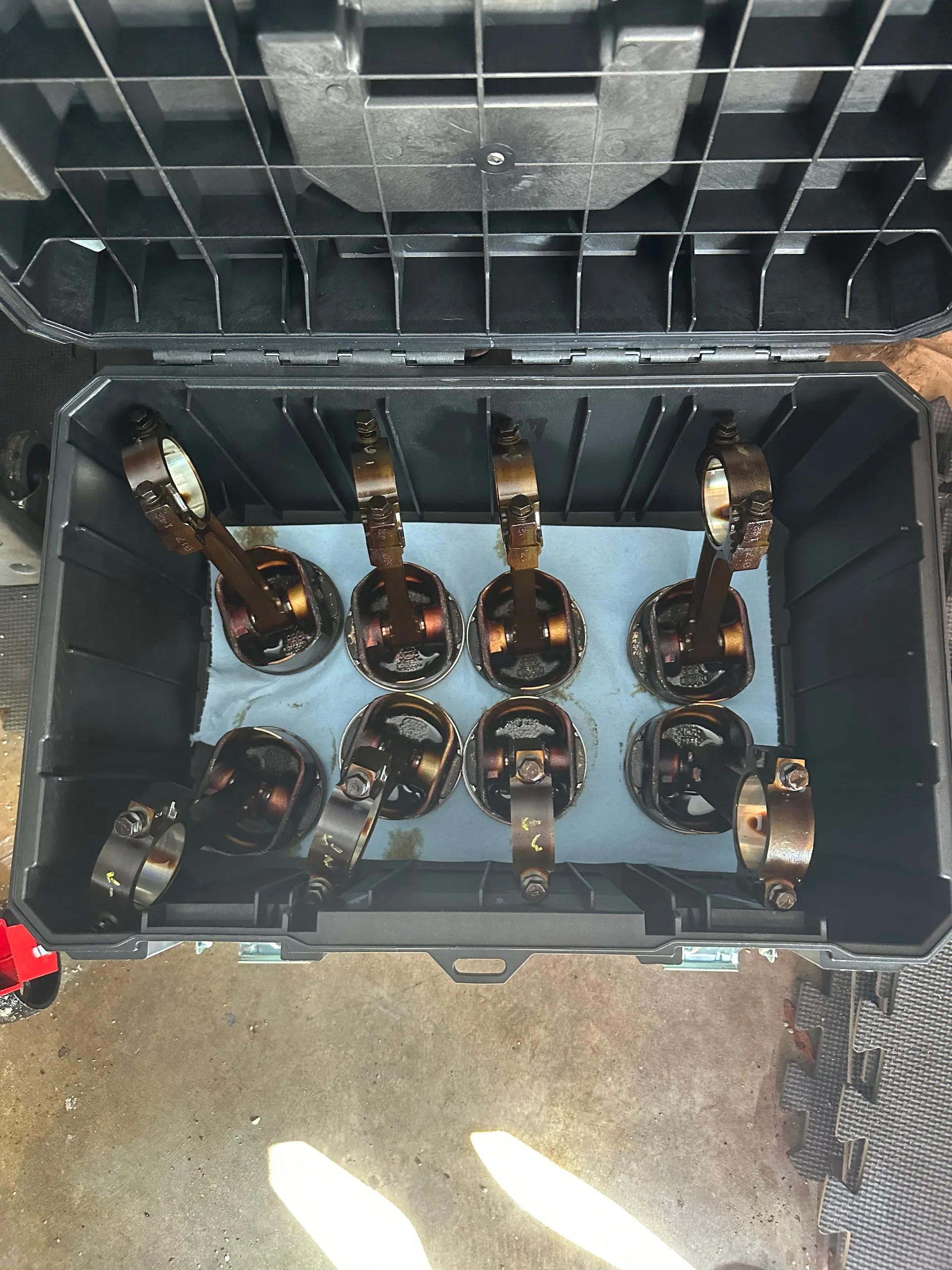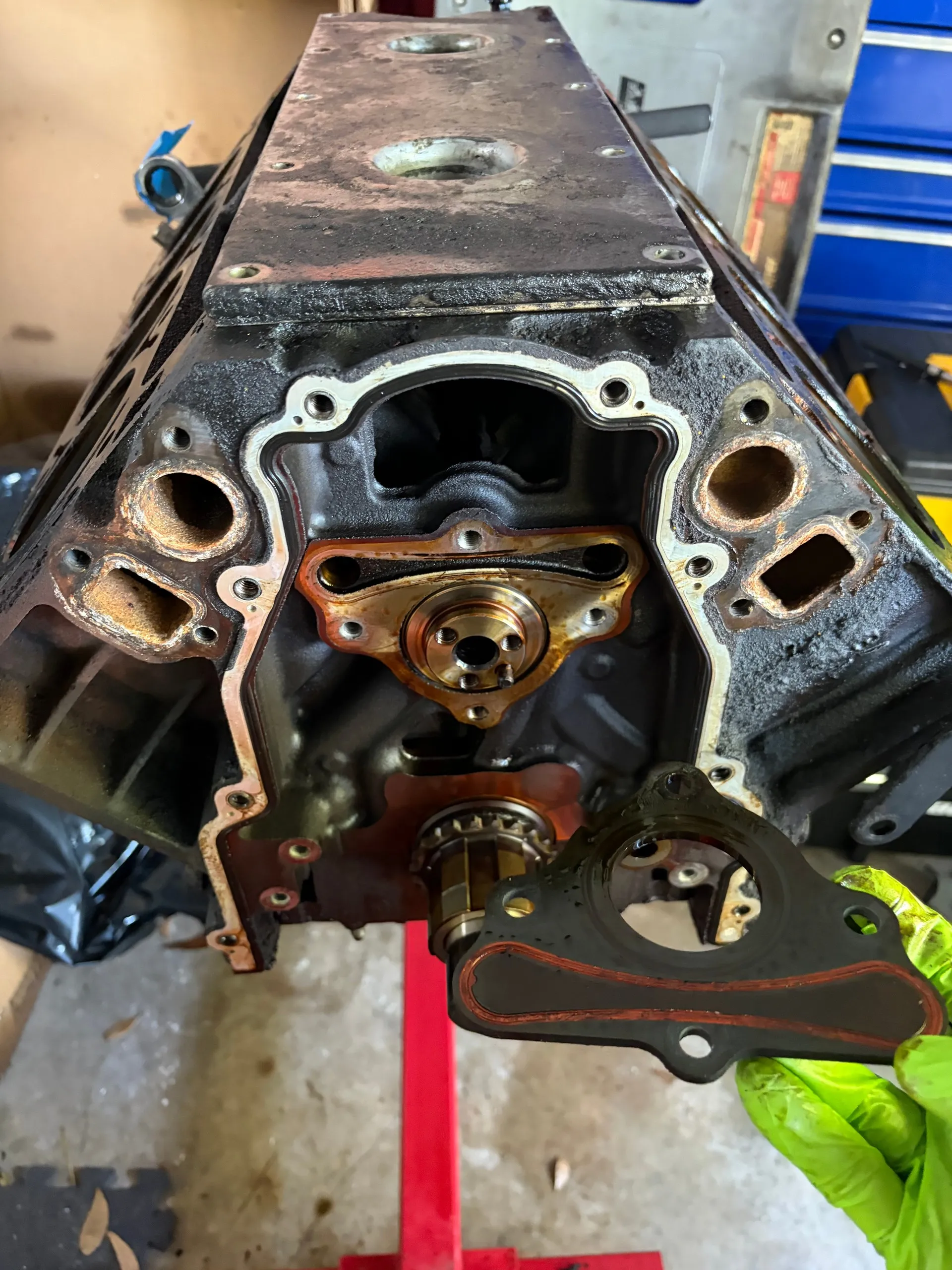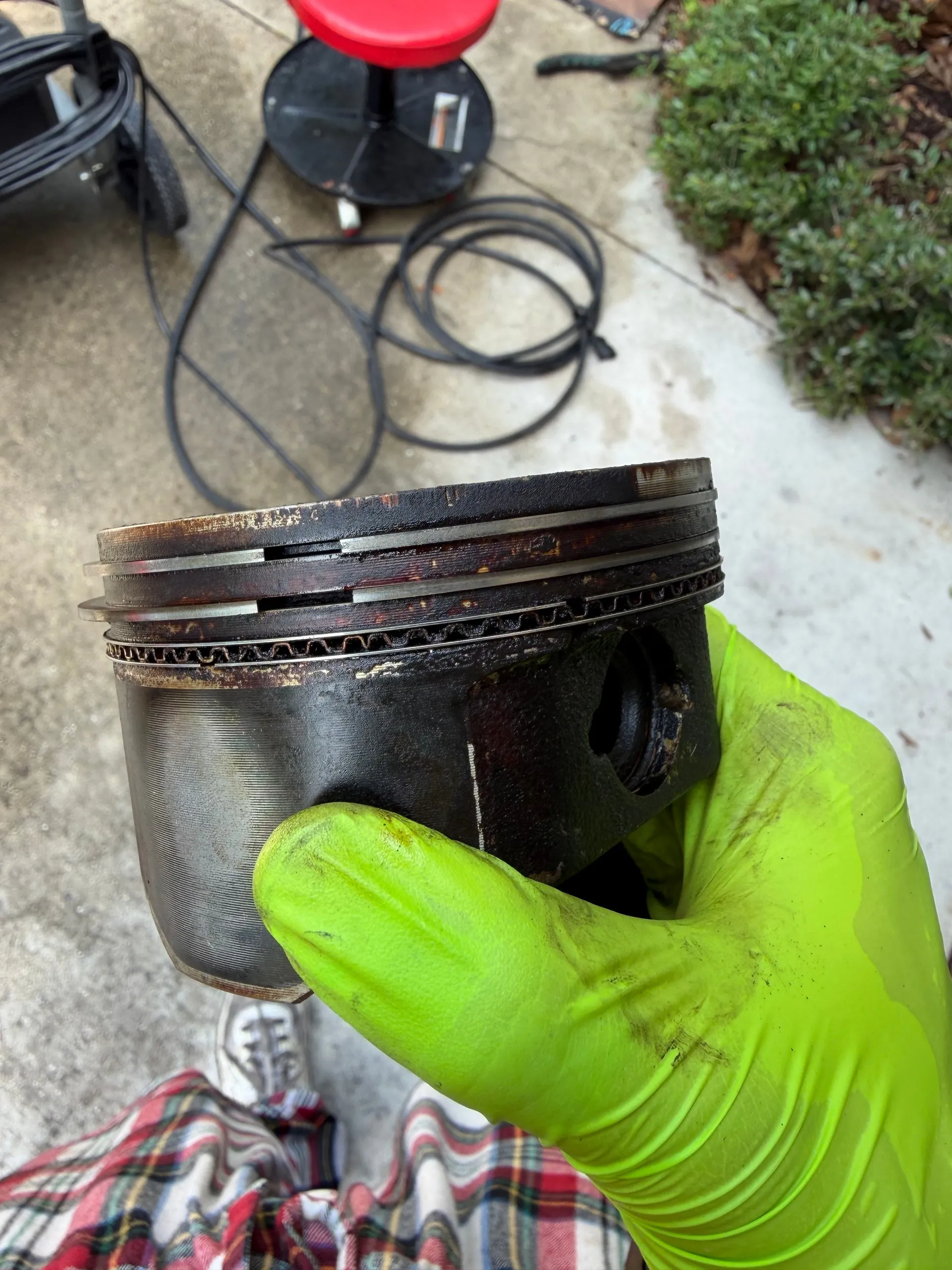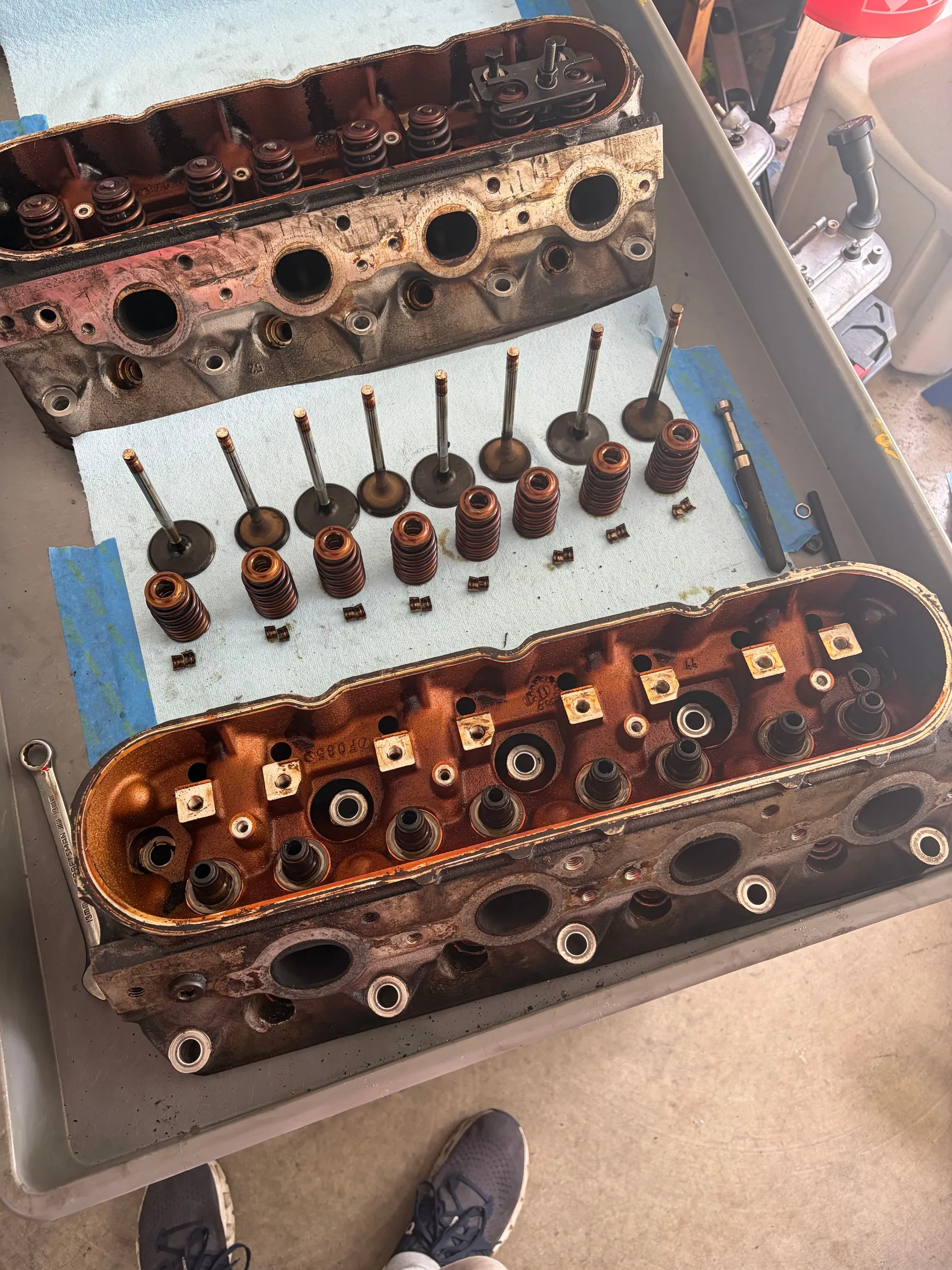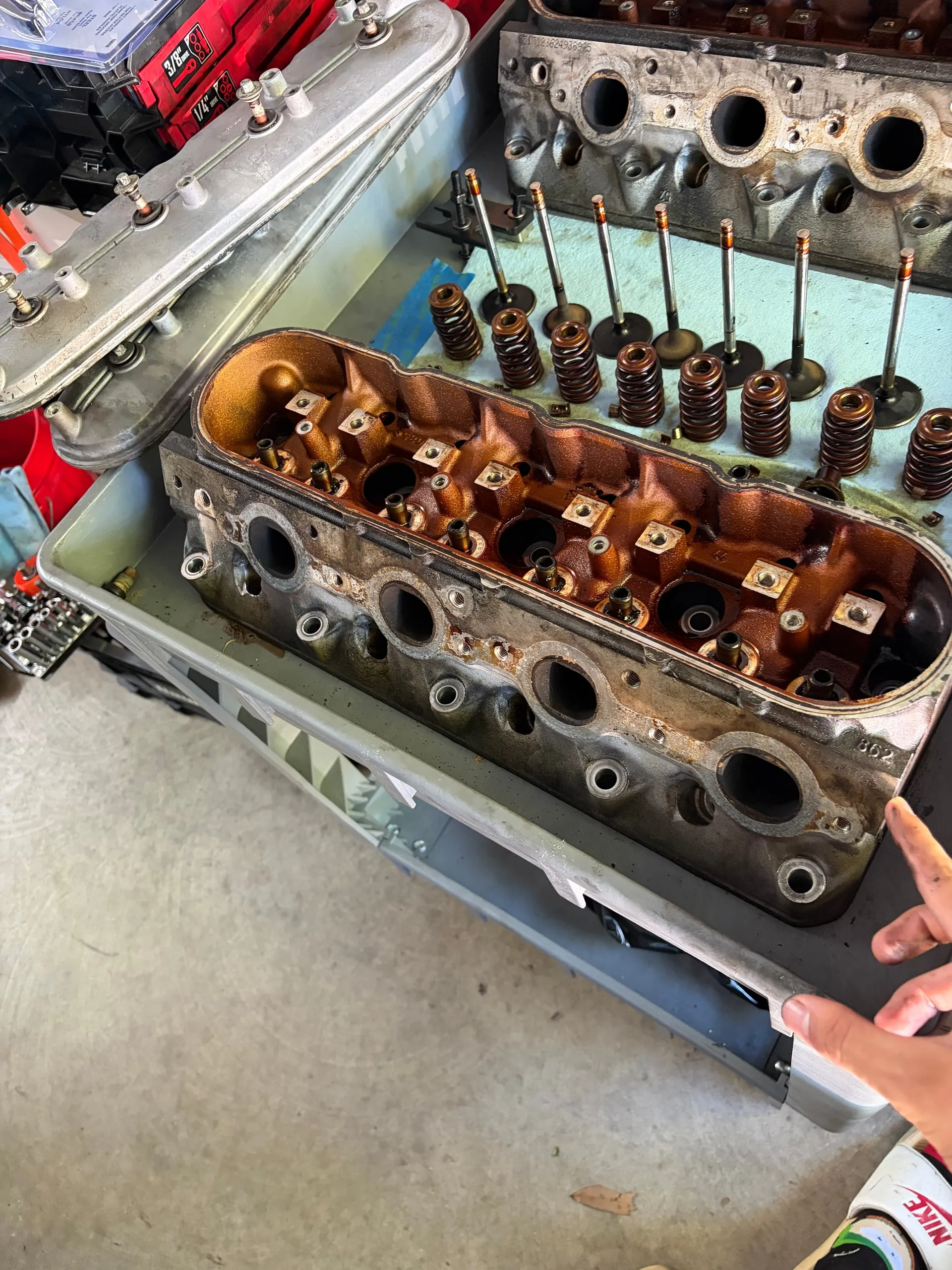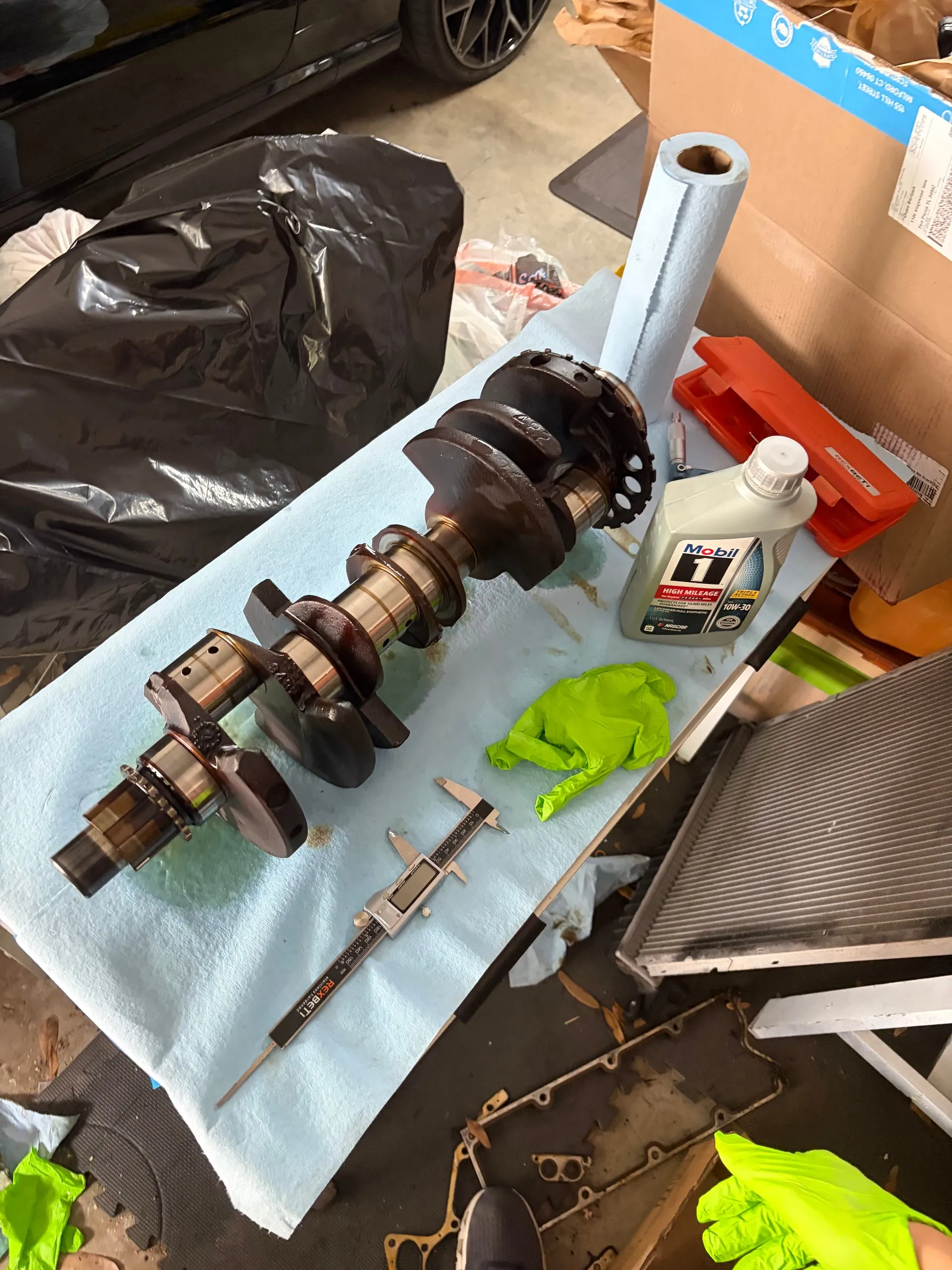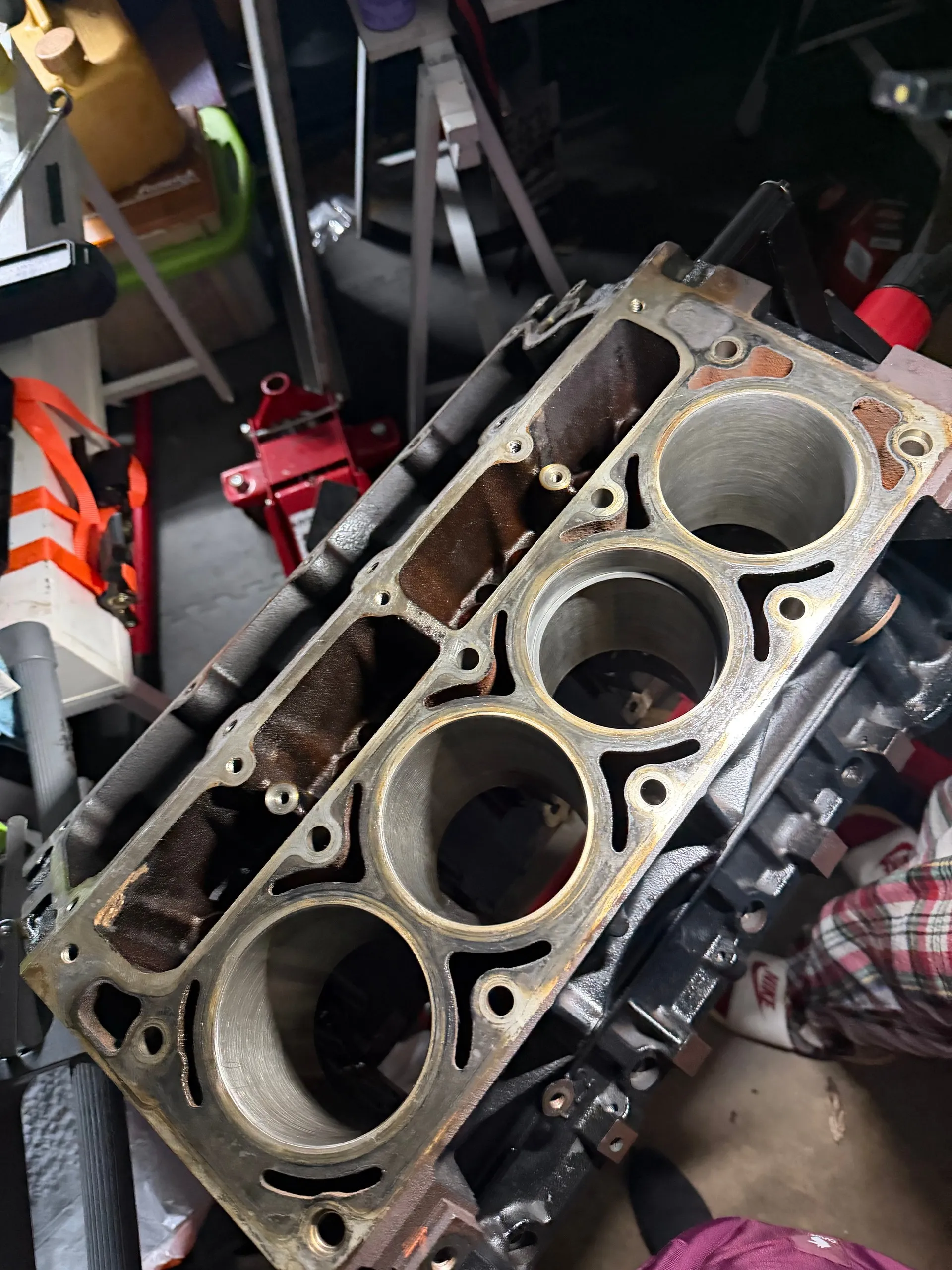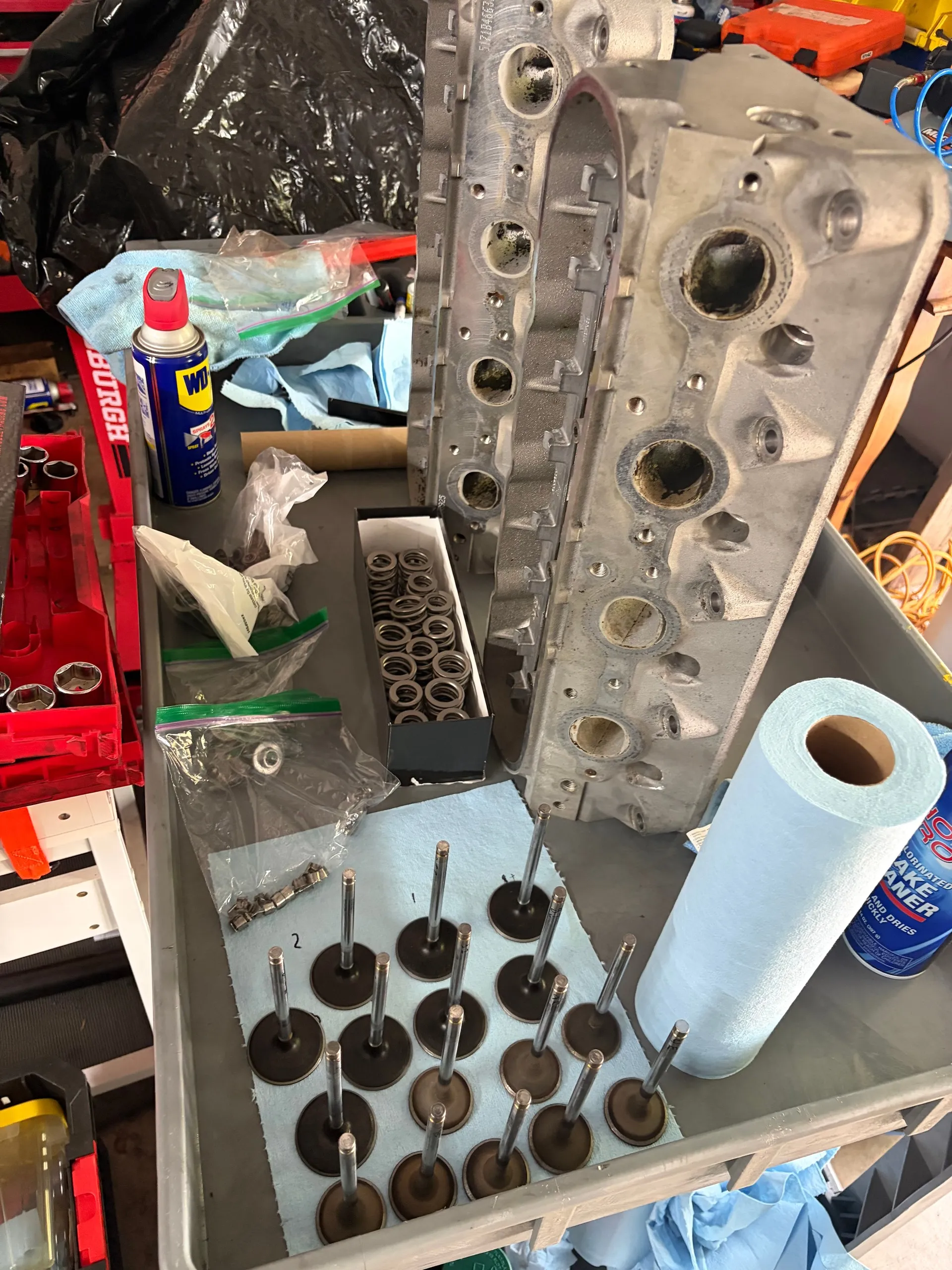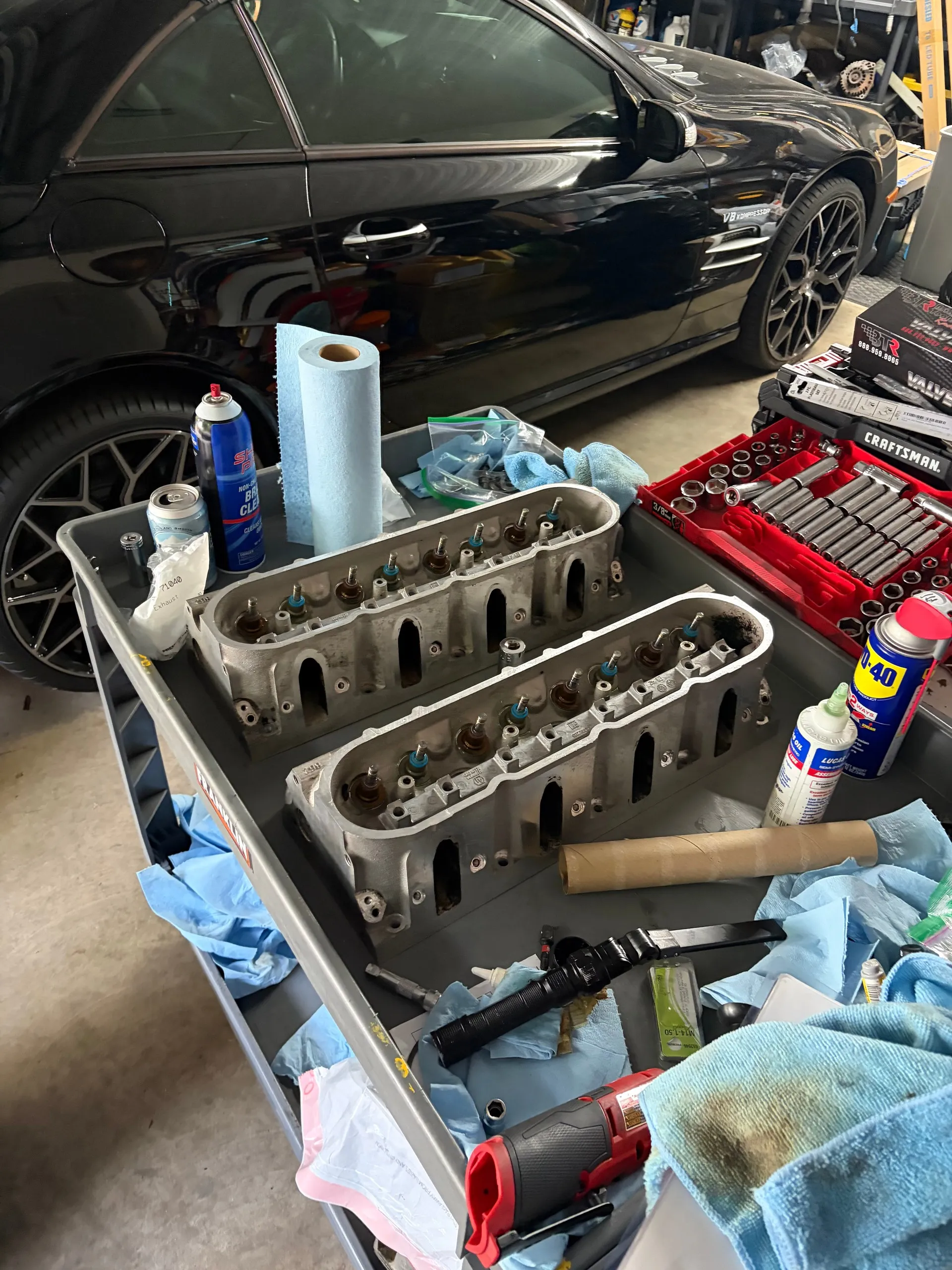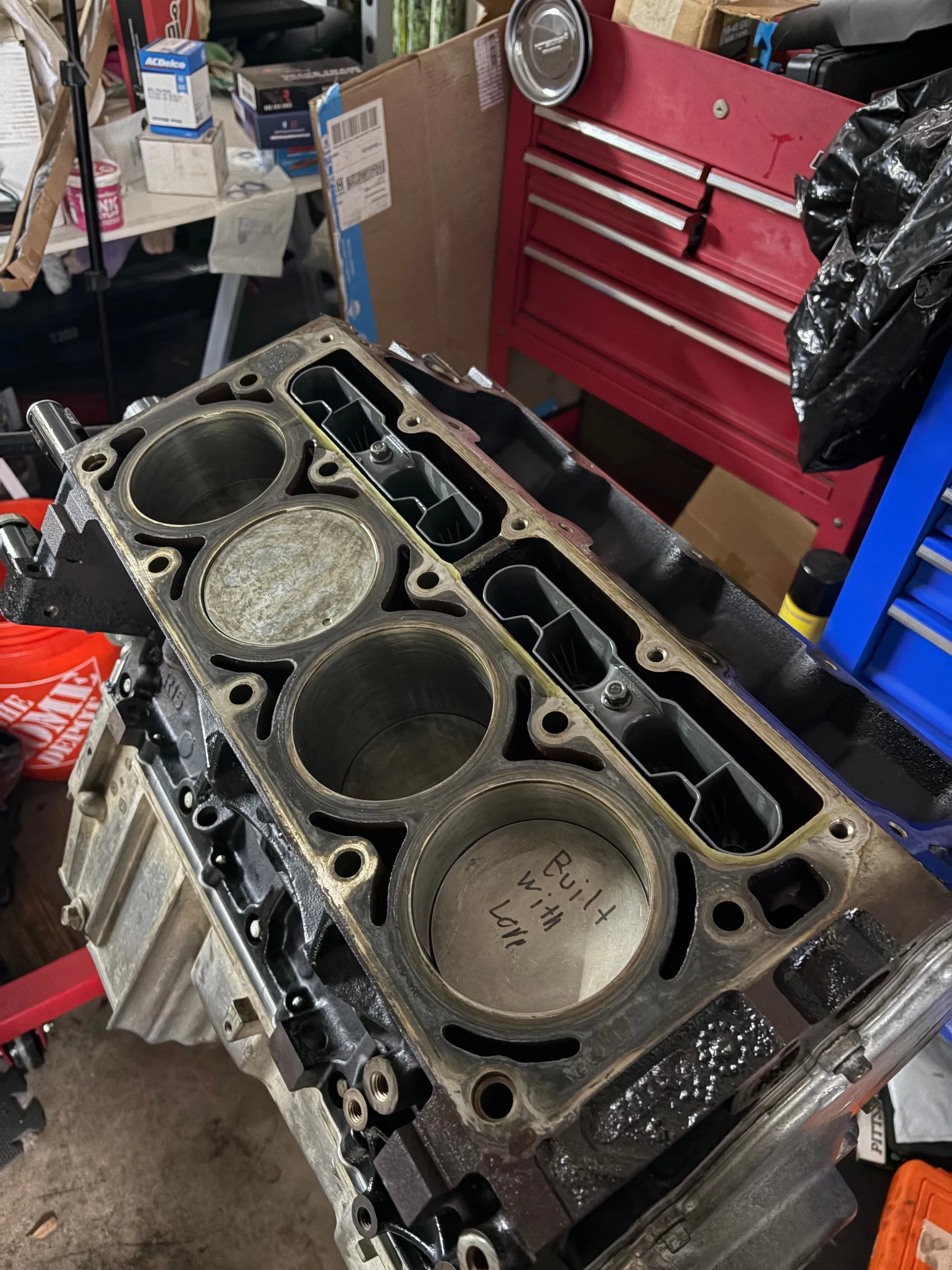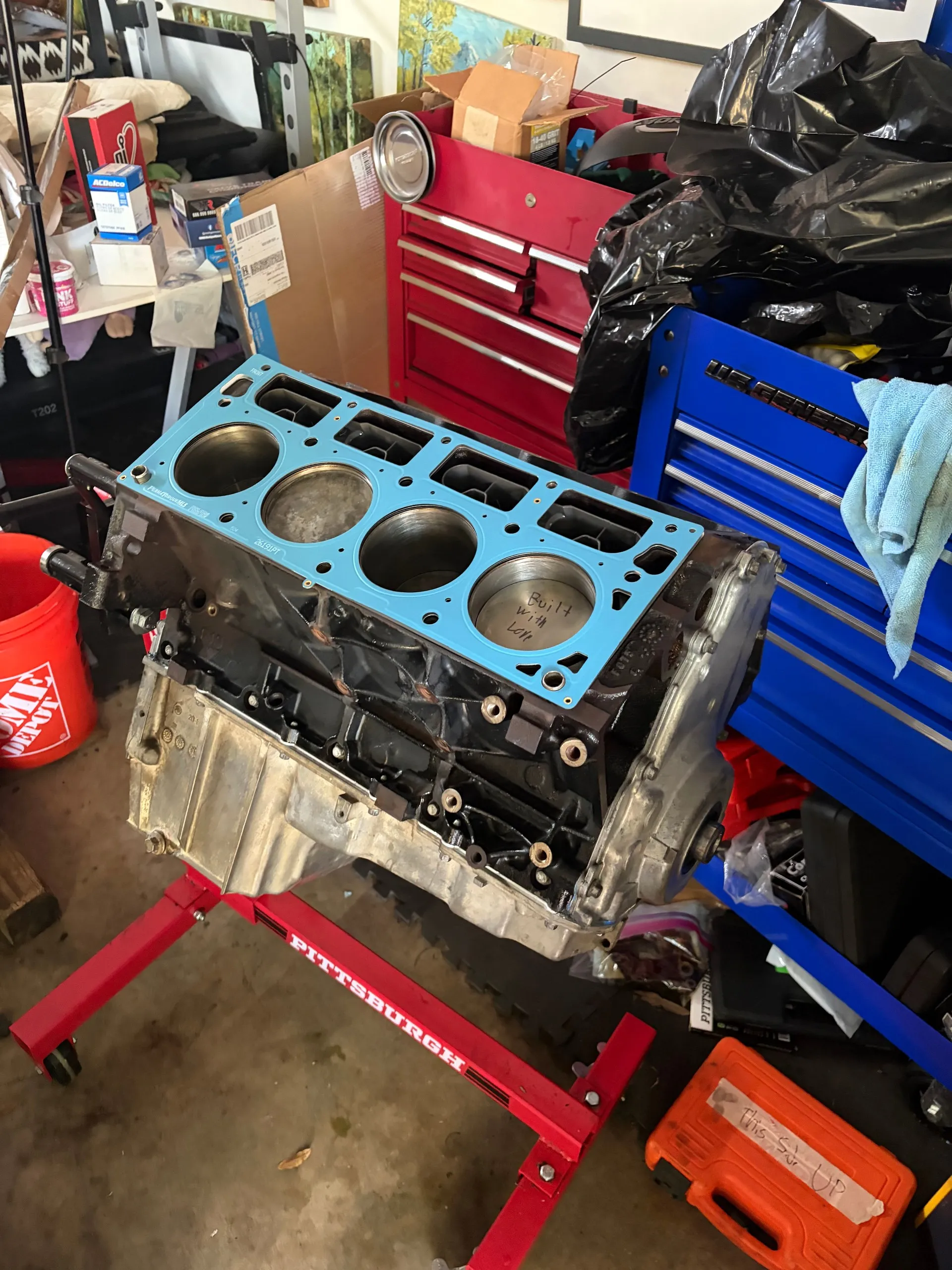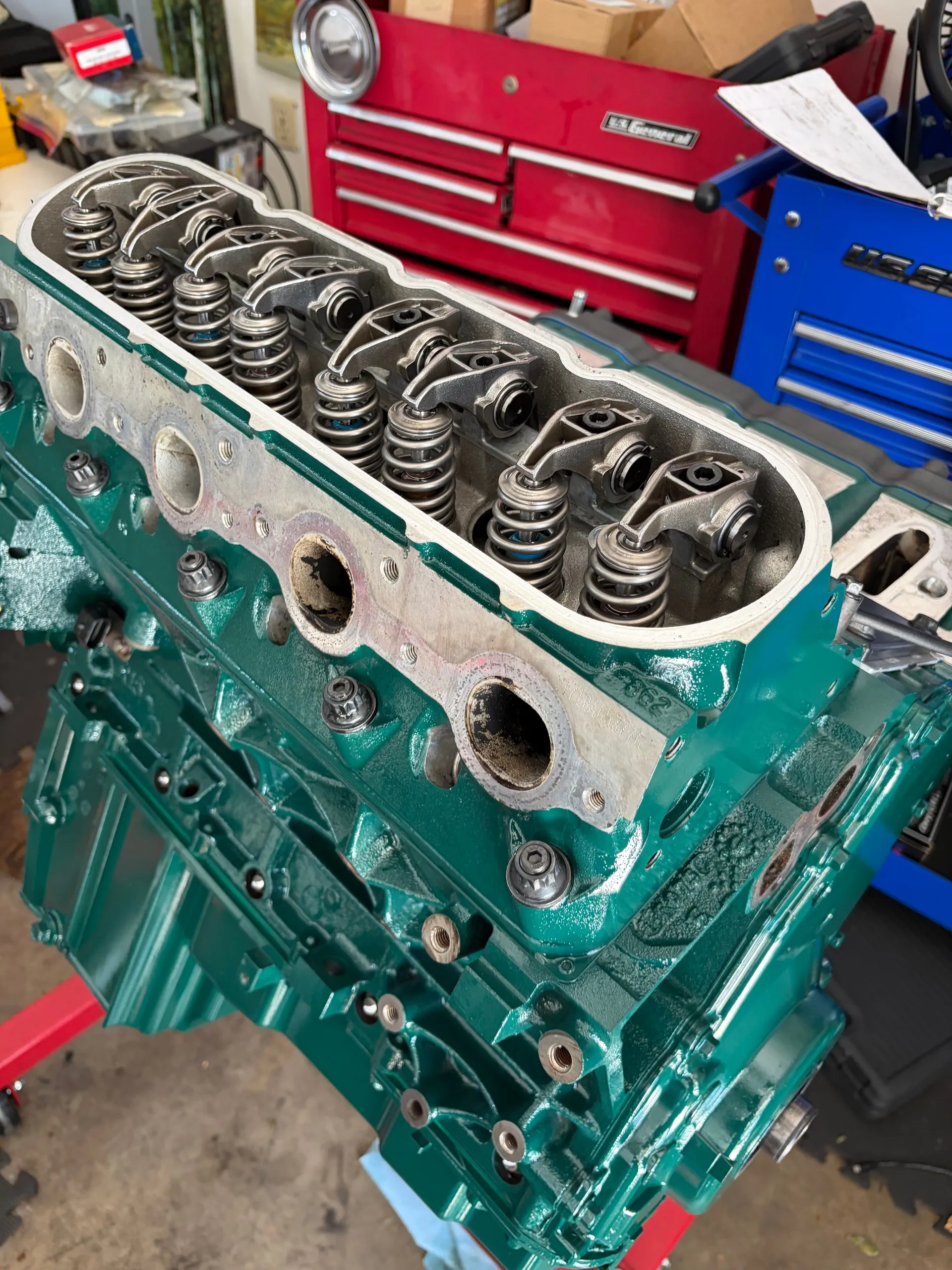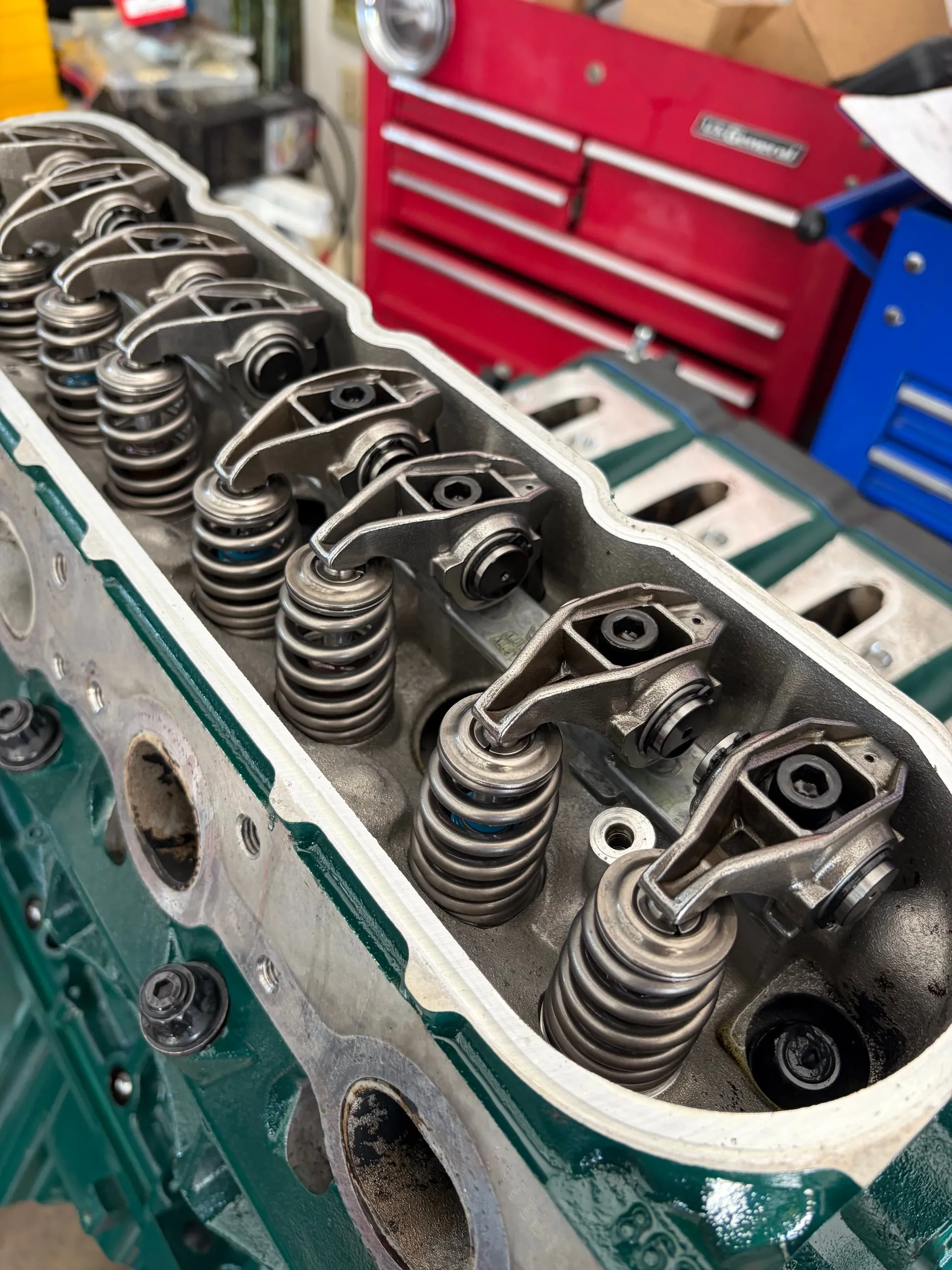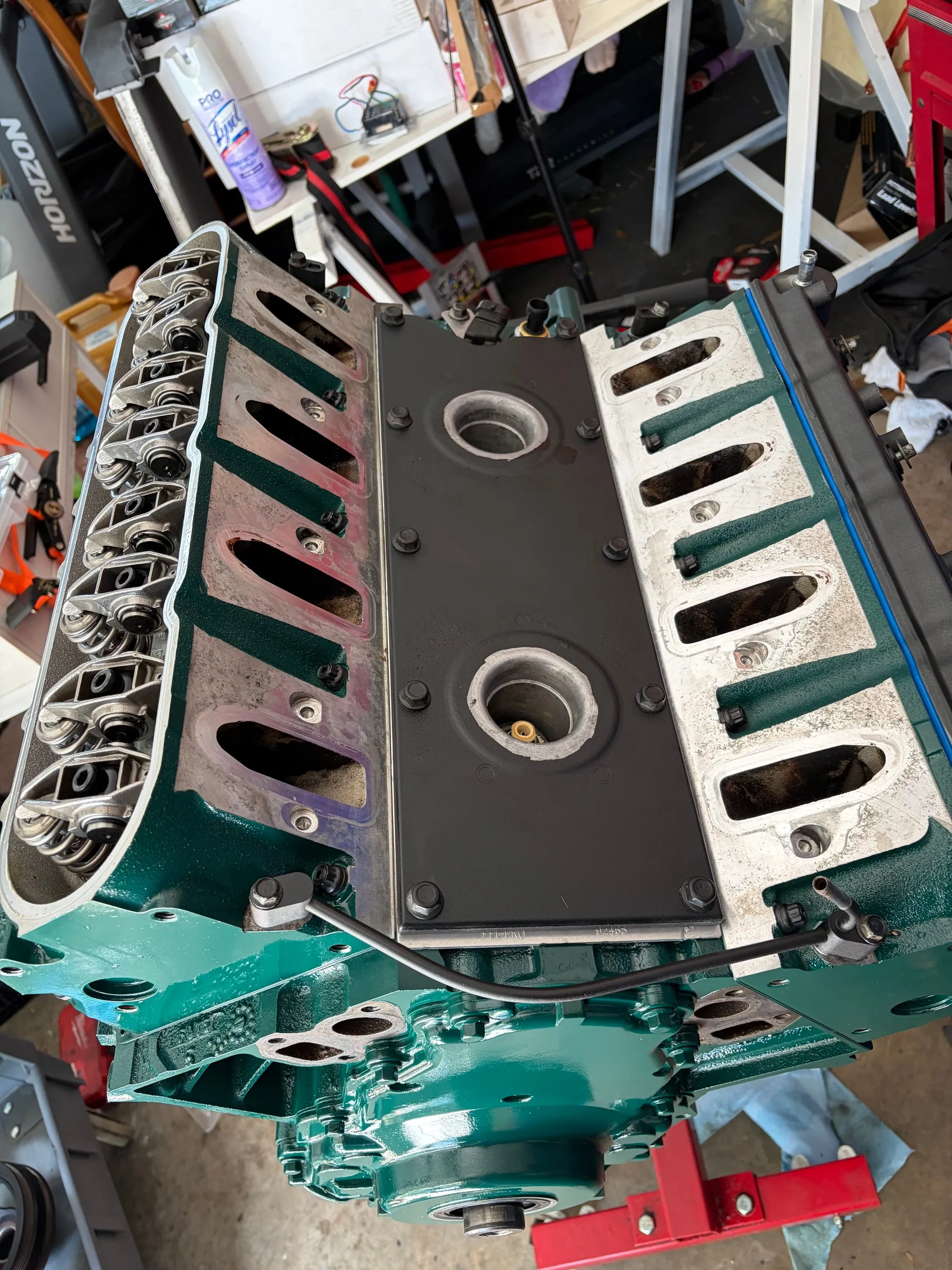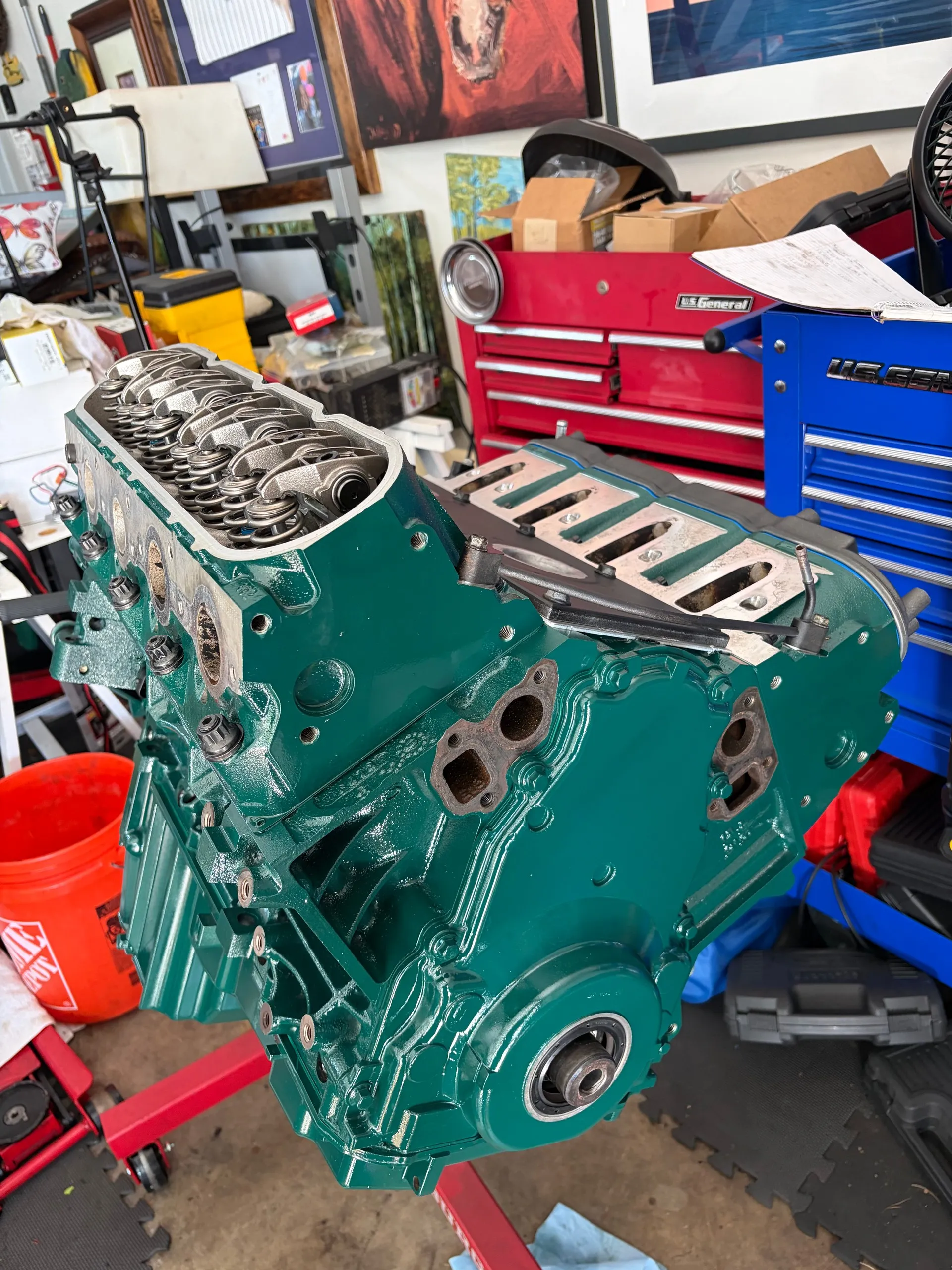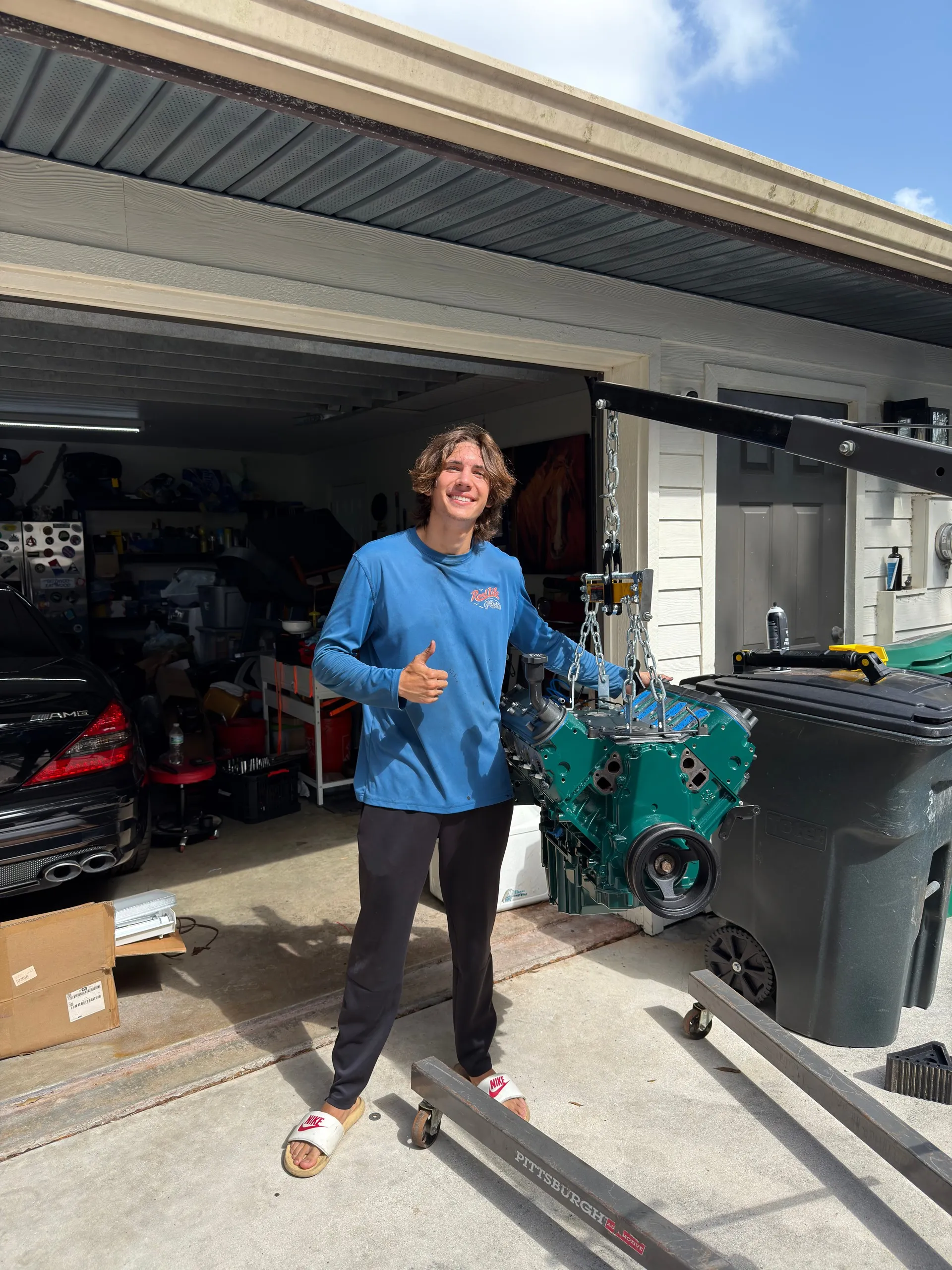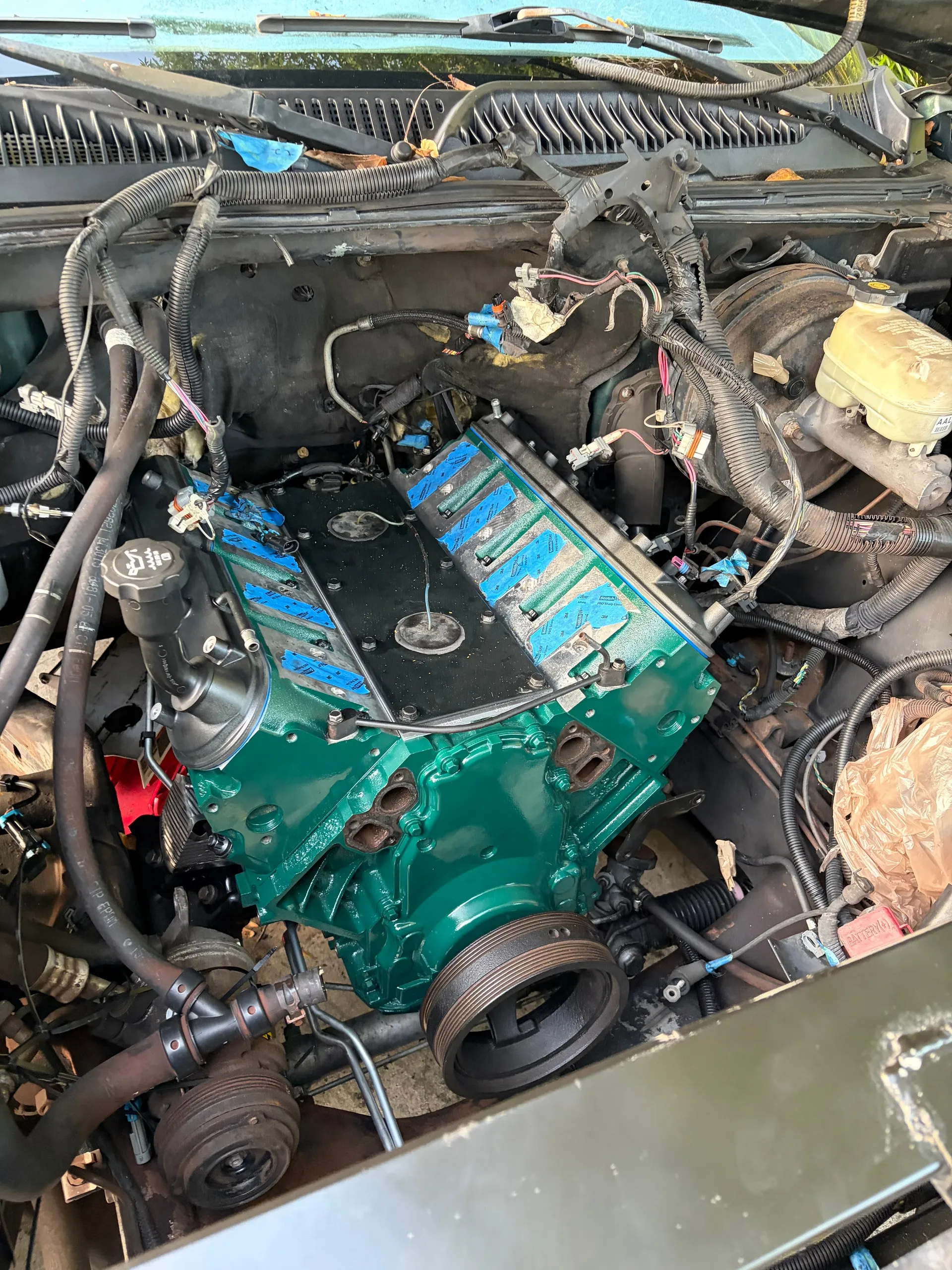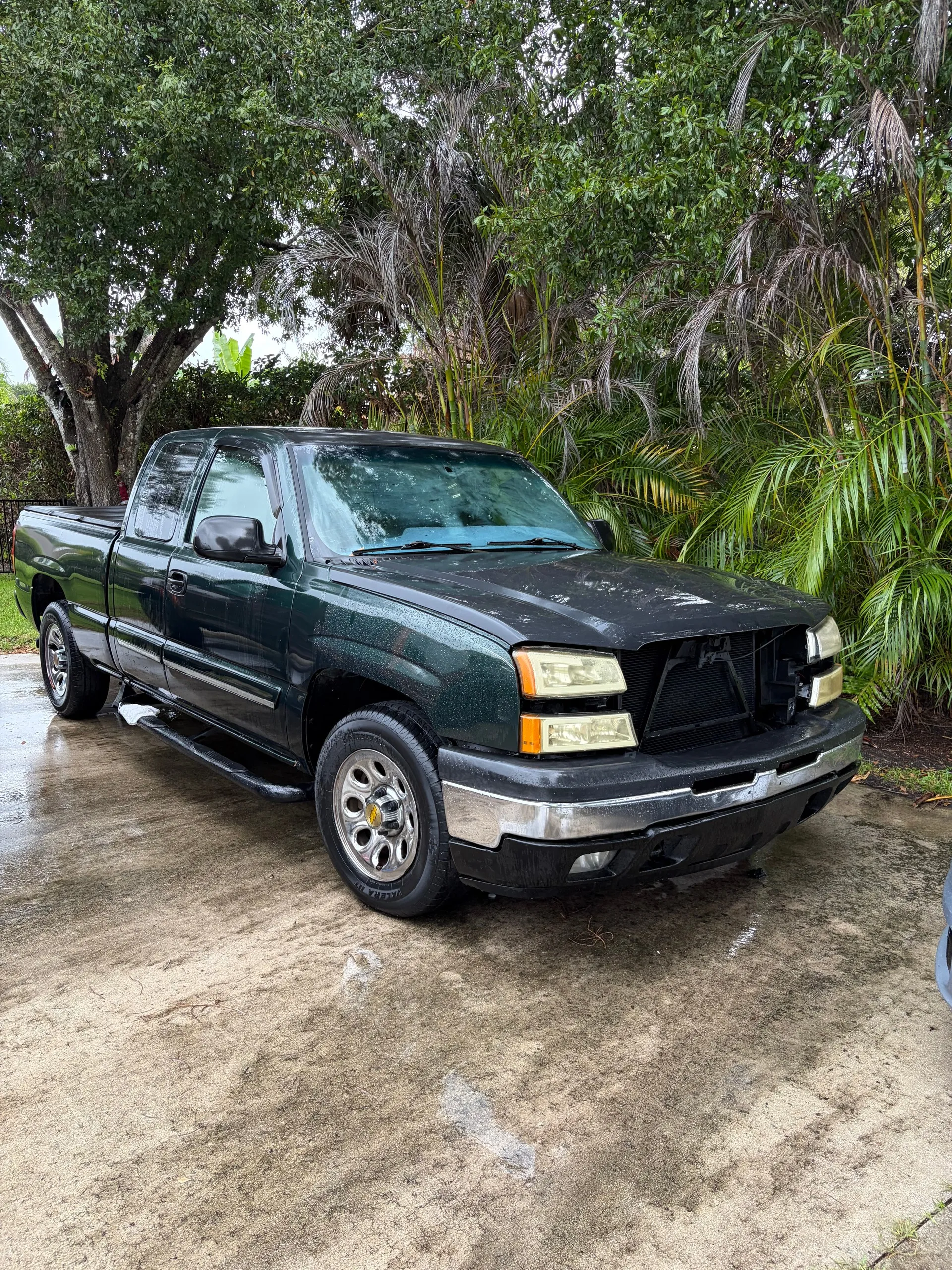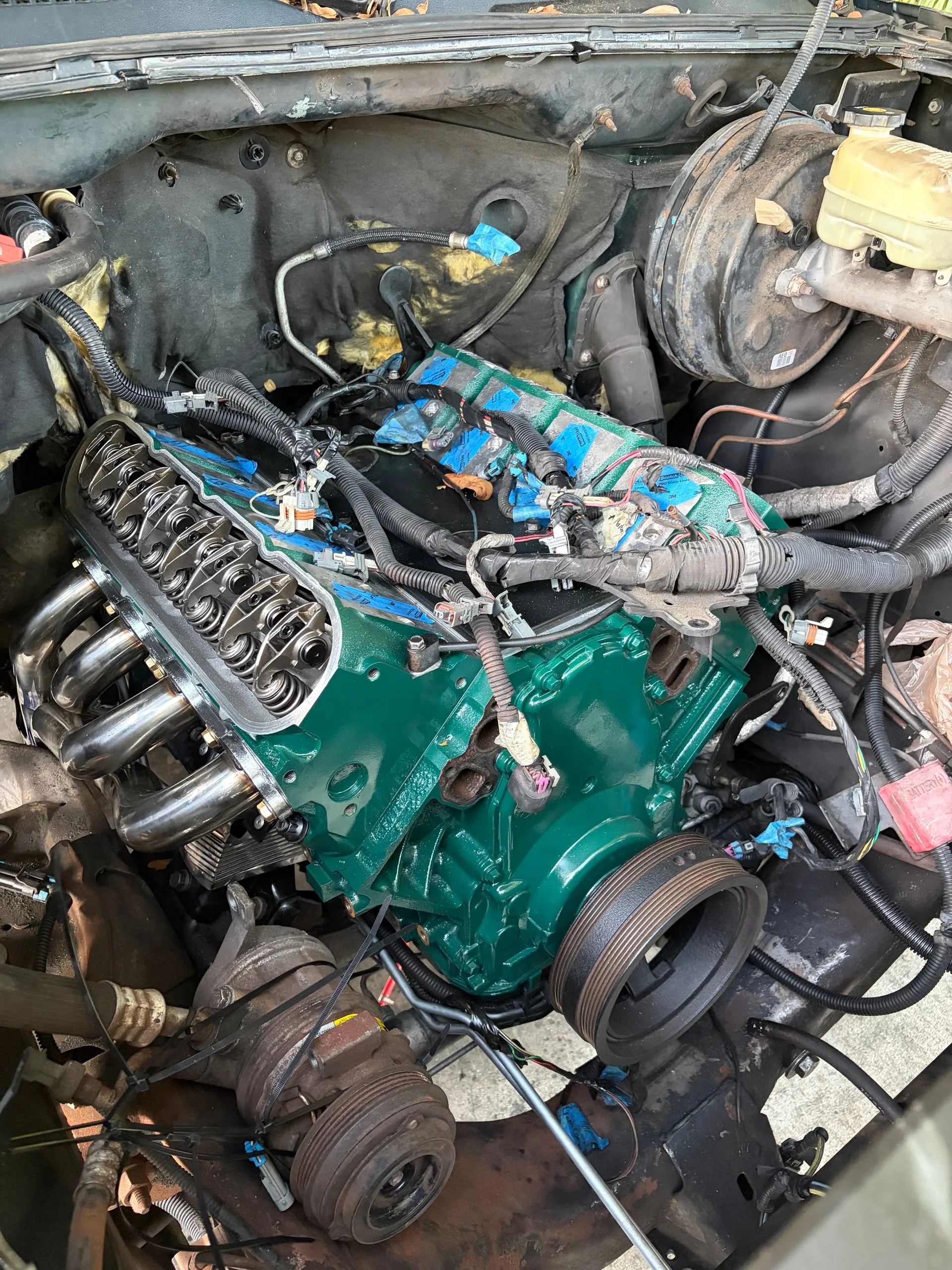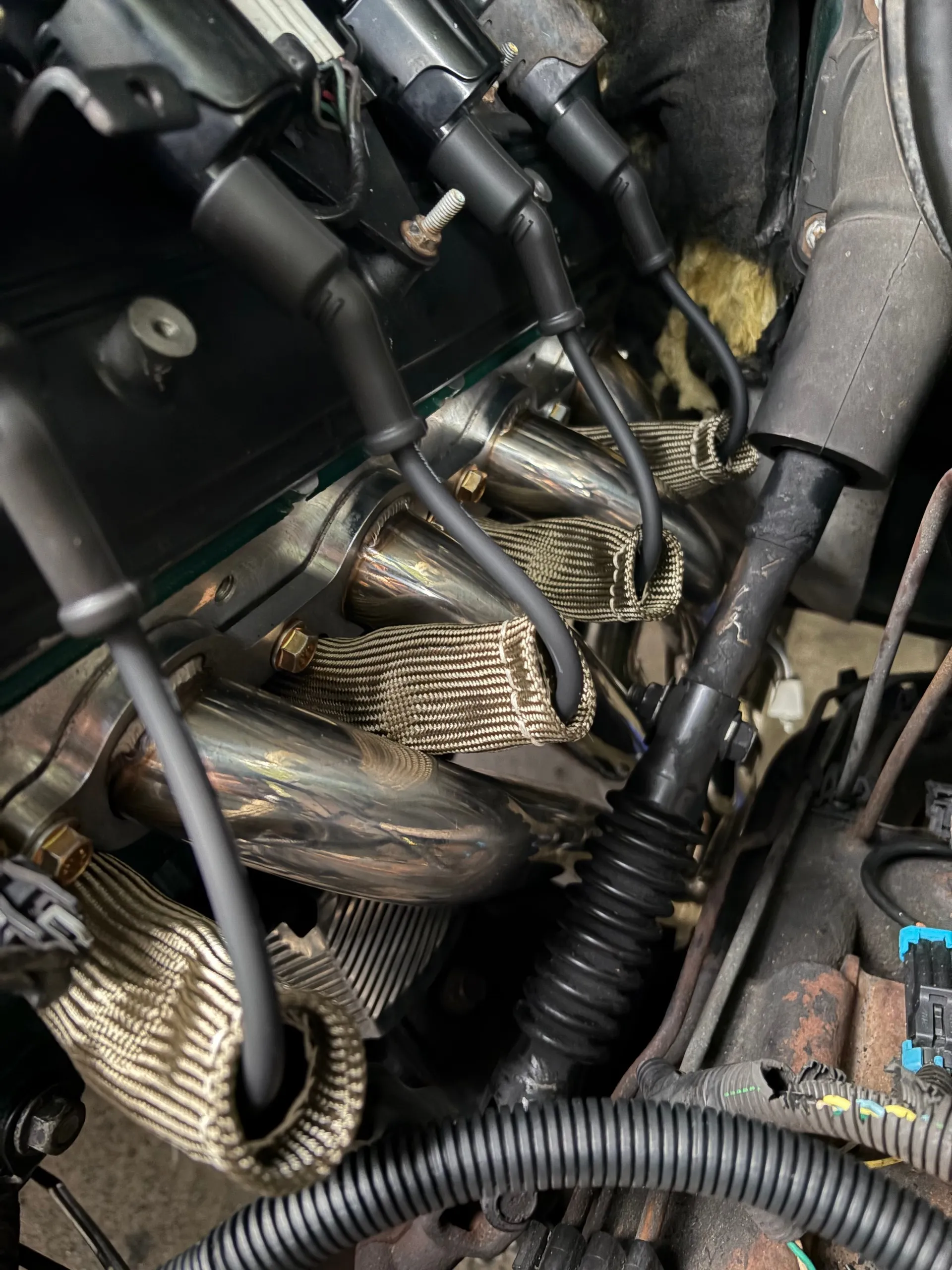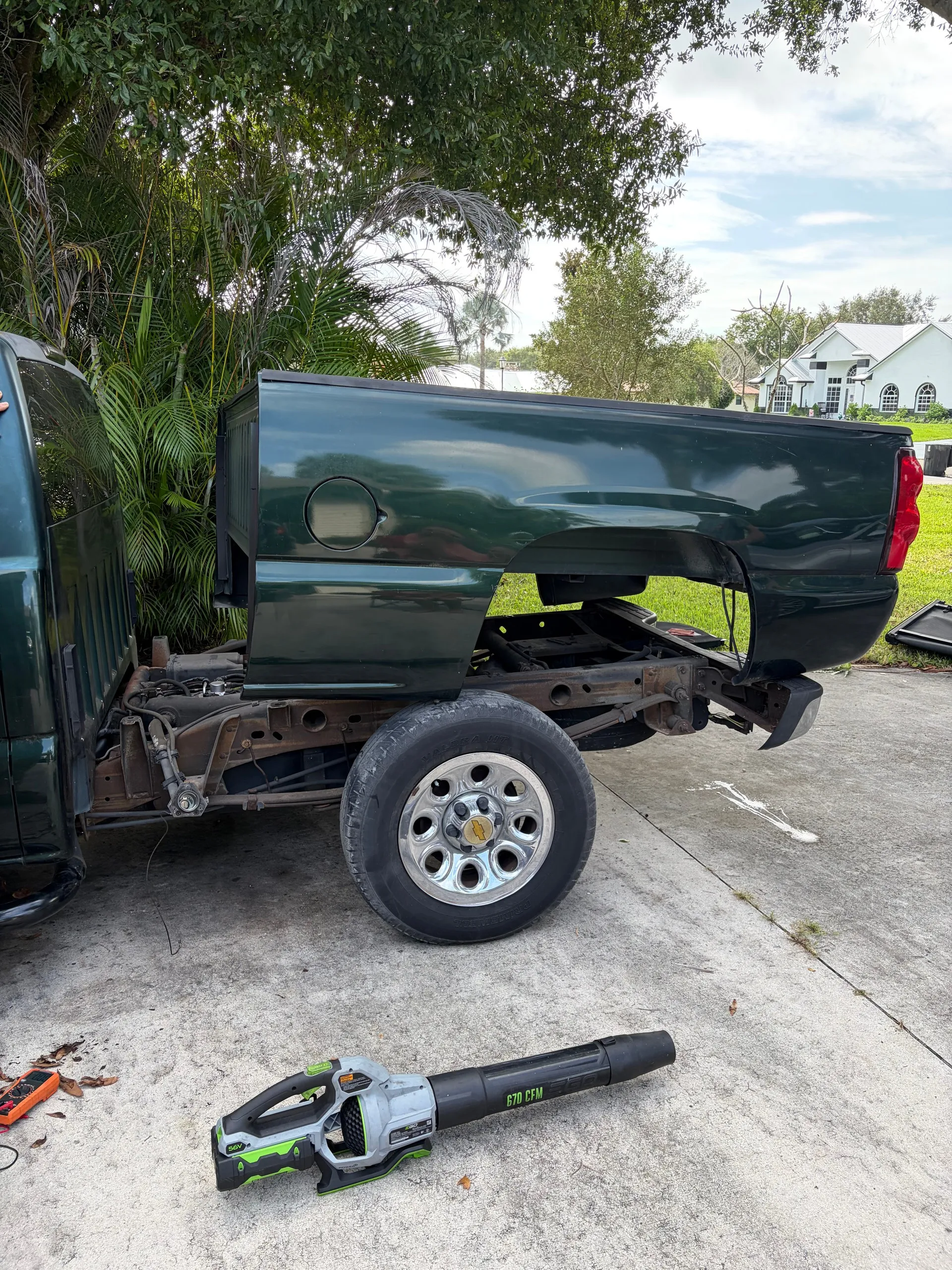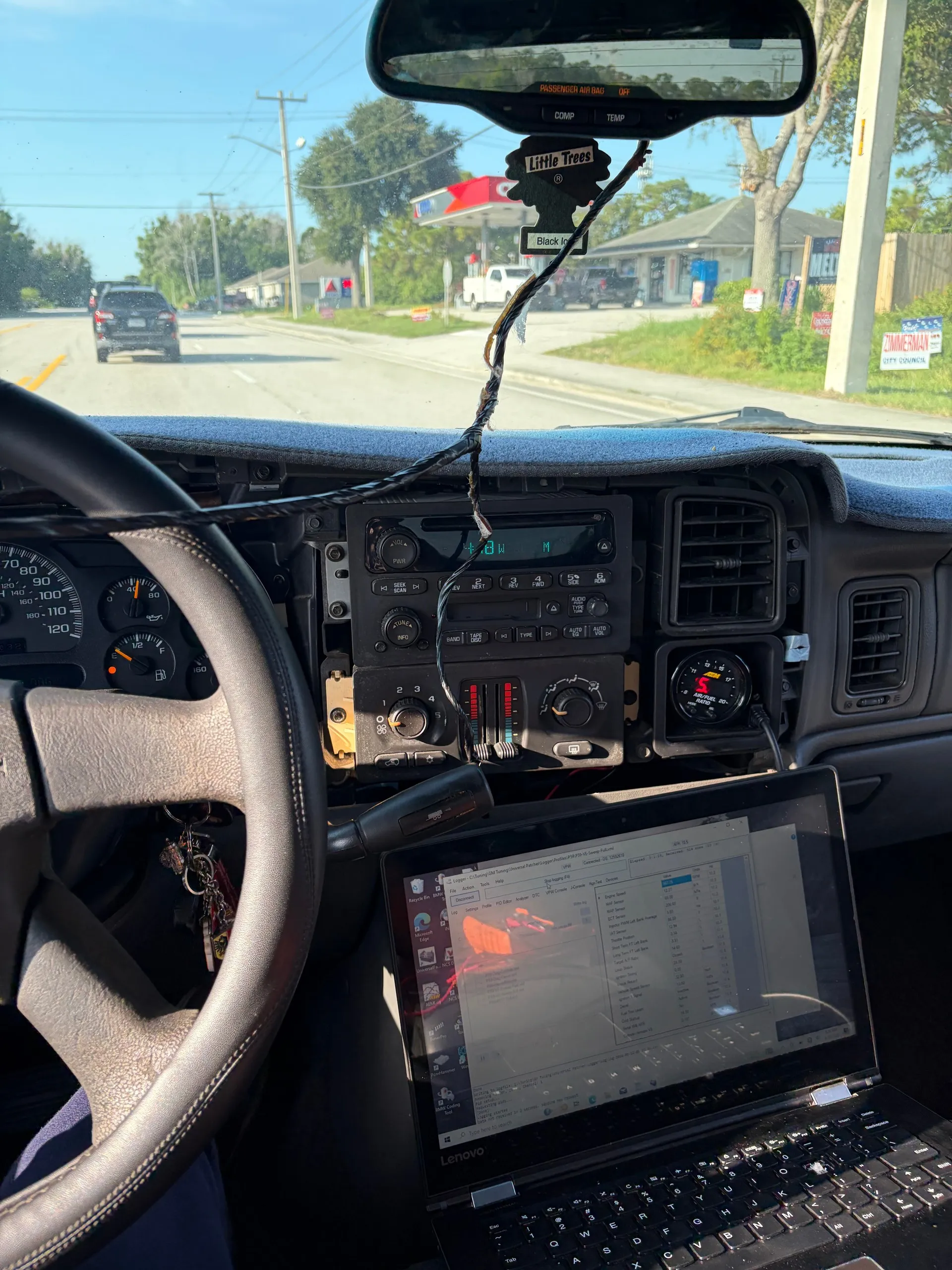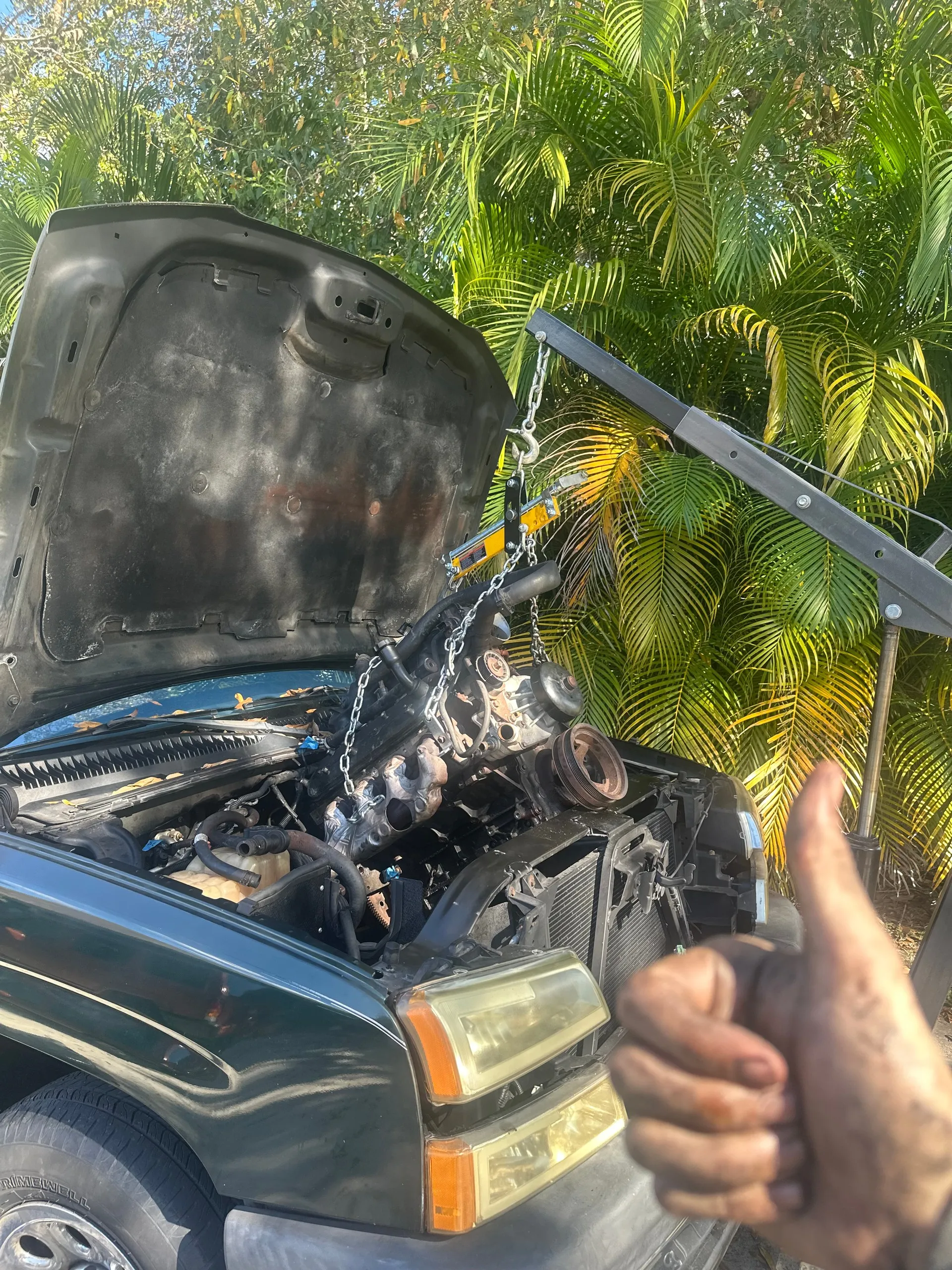
The project
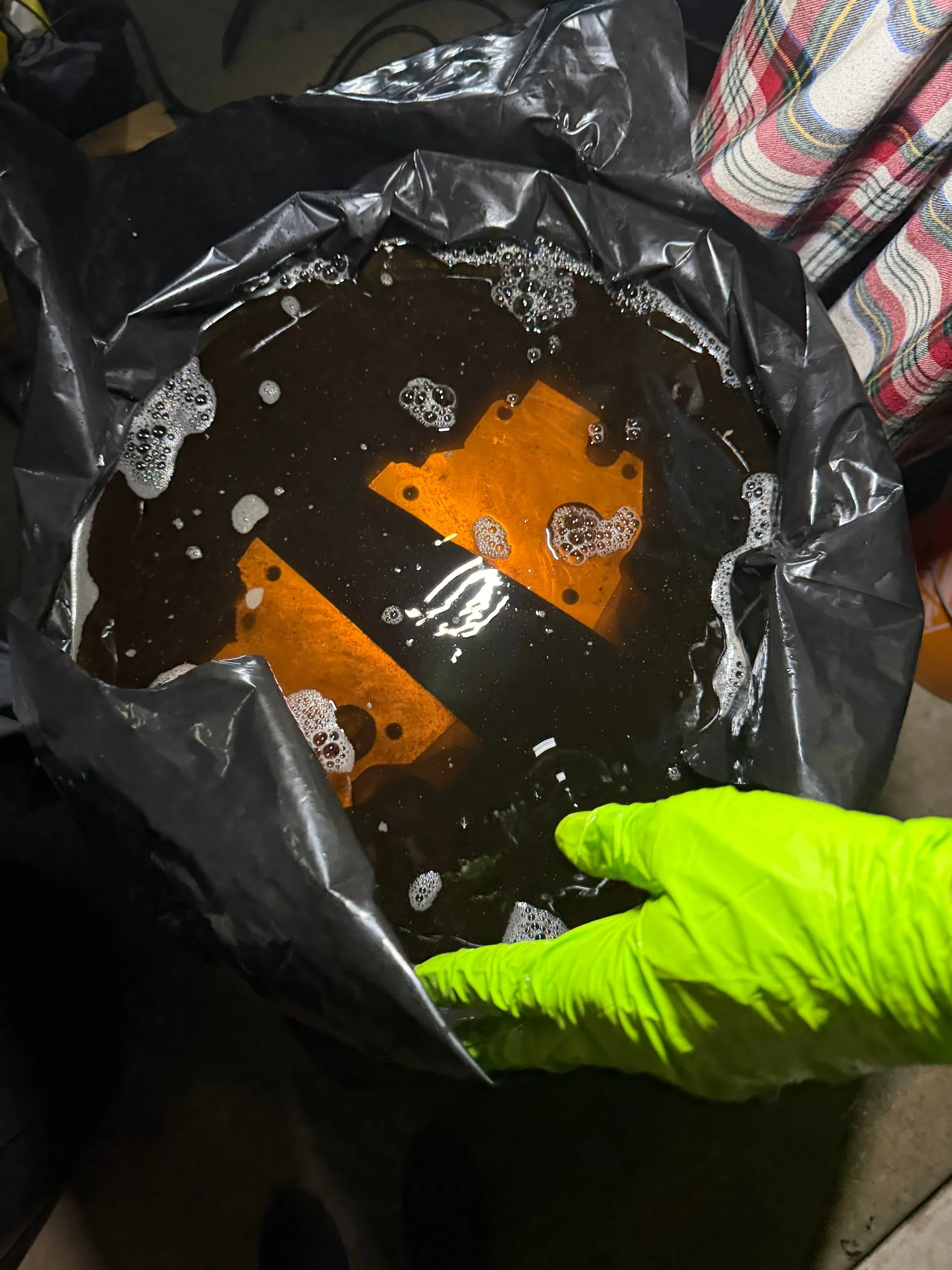
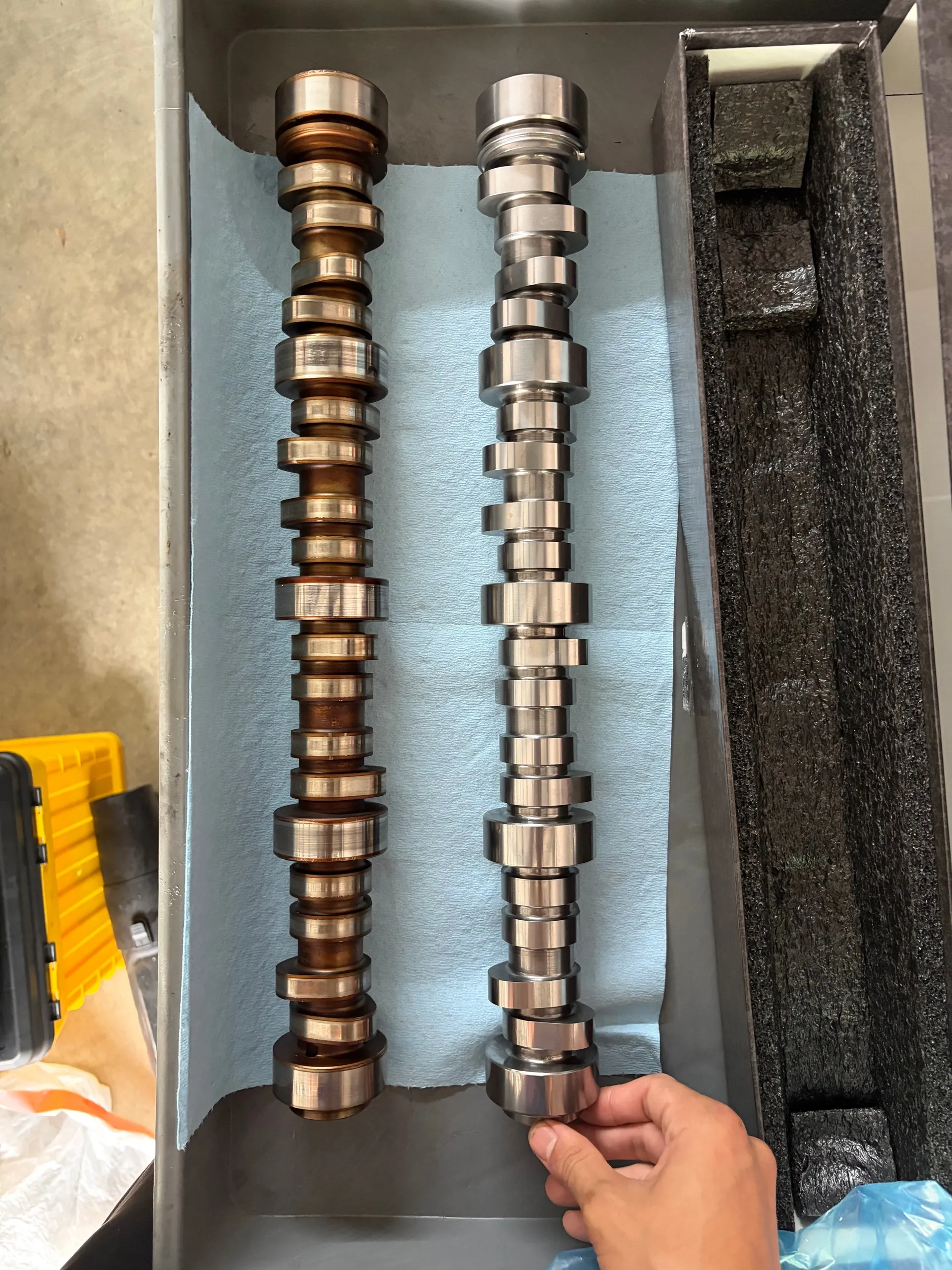
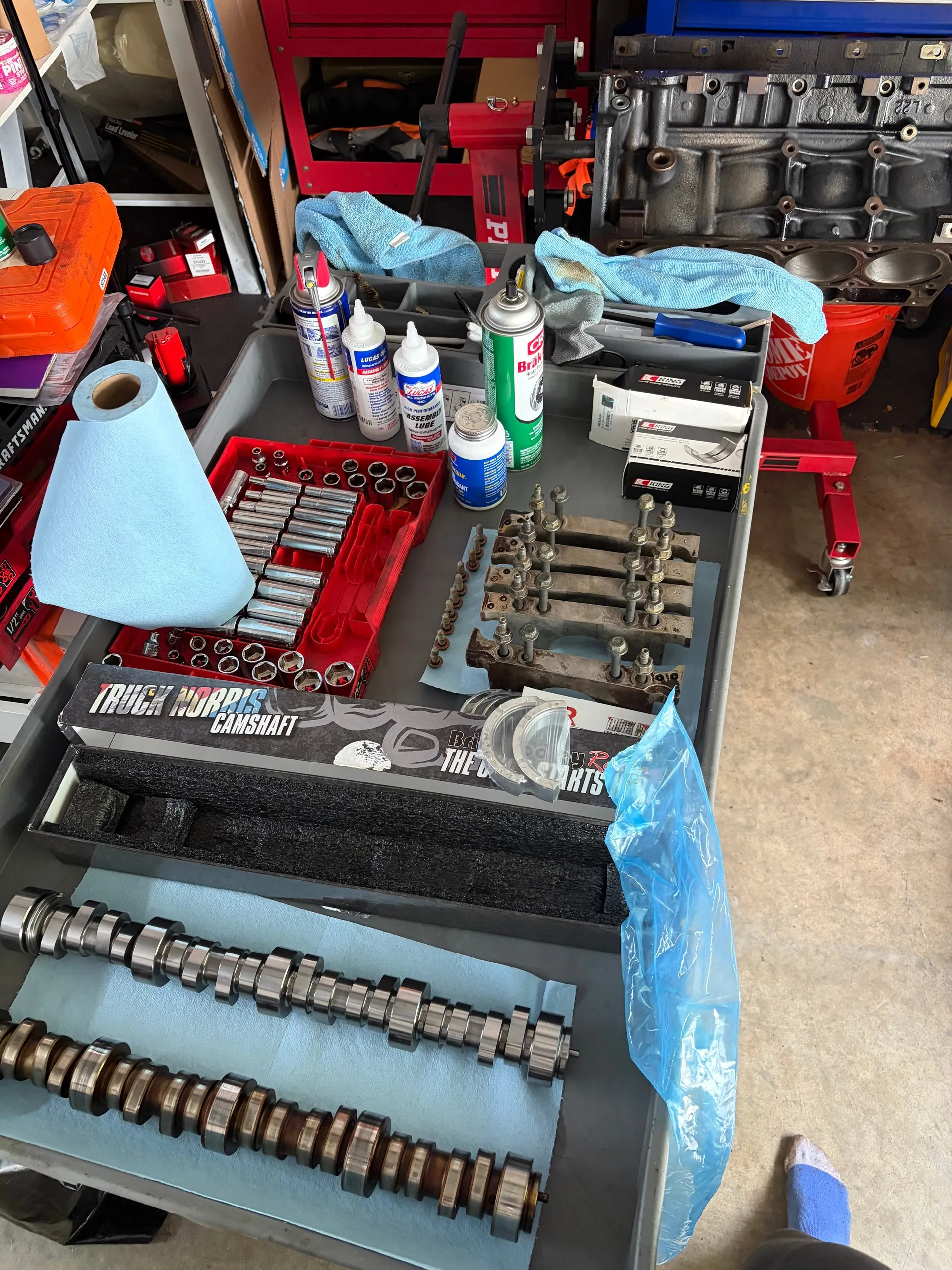
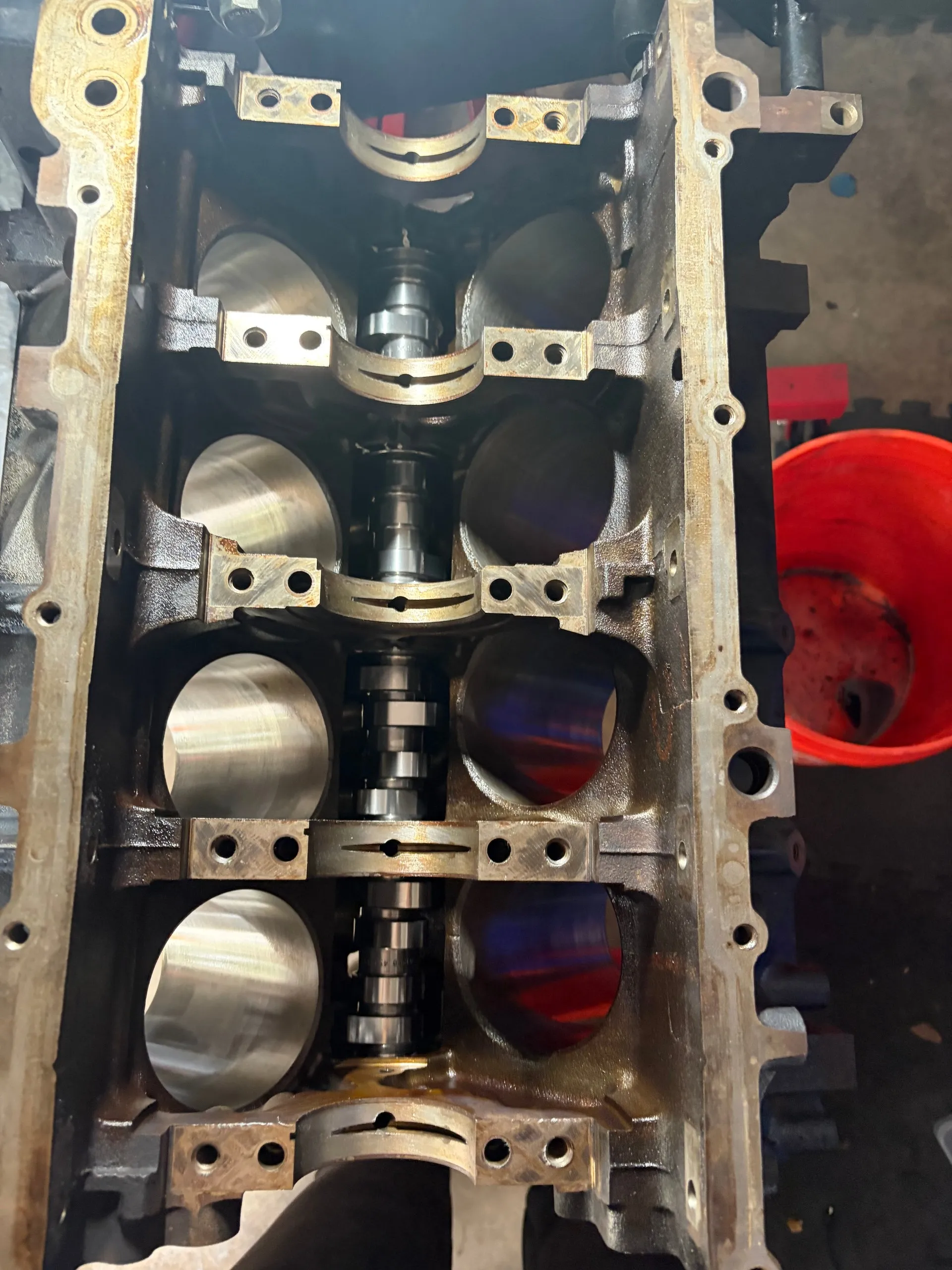
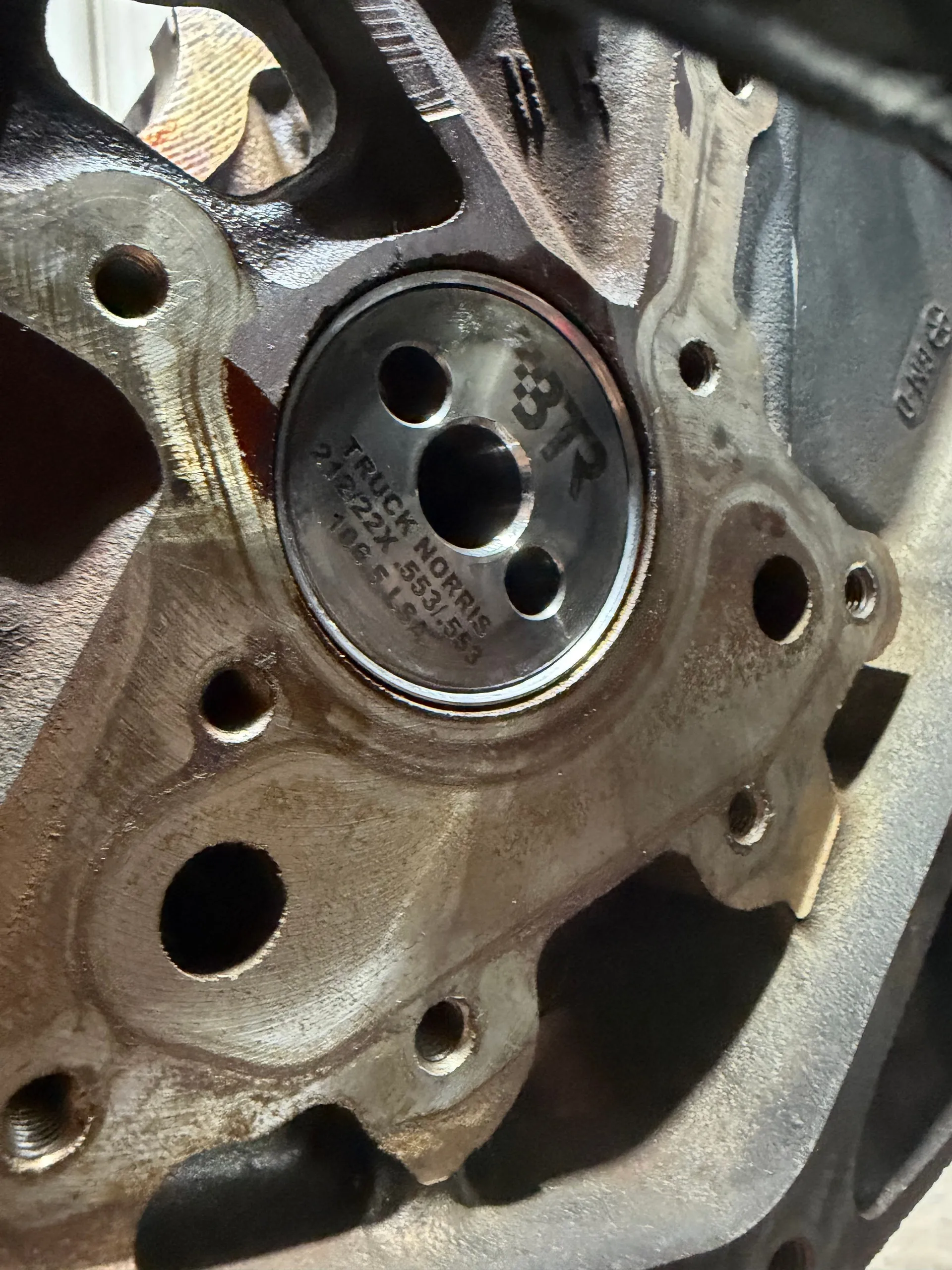
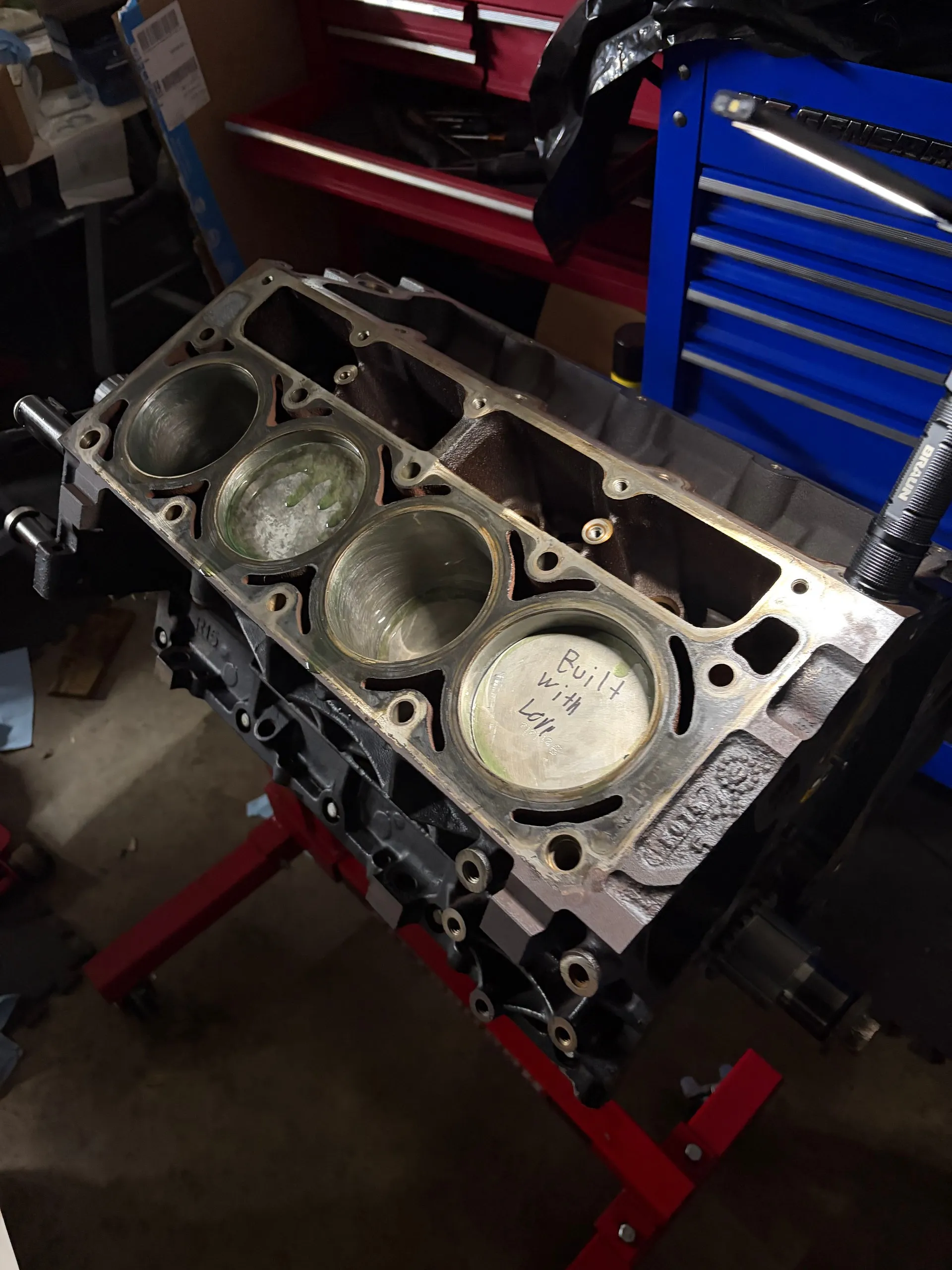
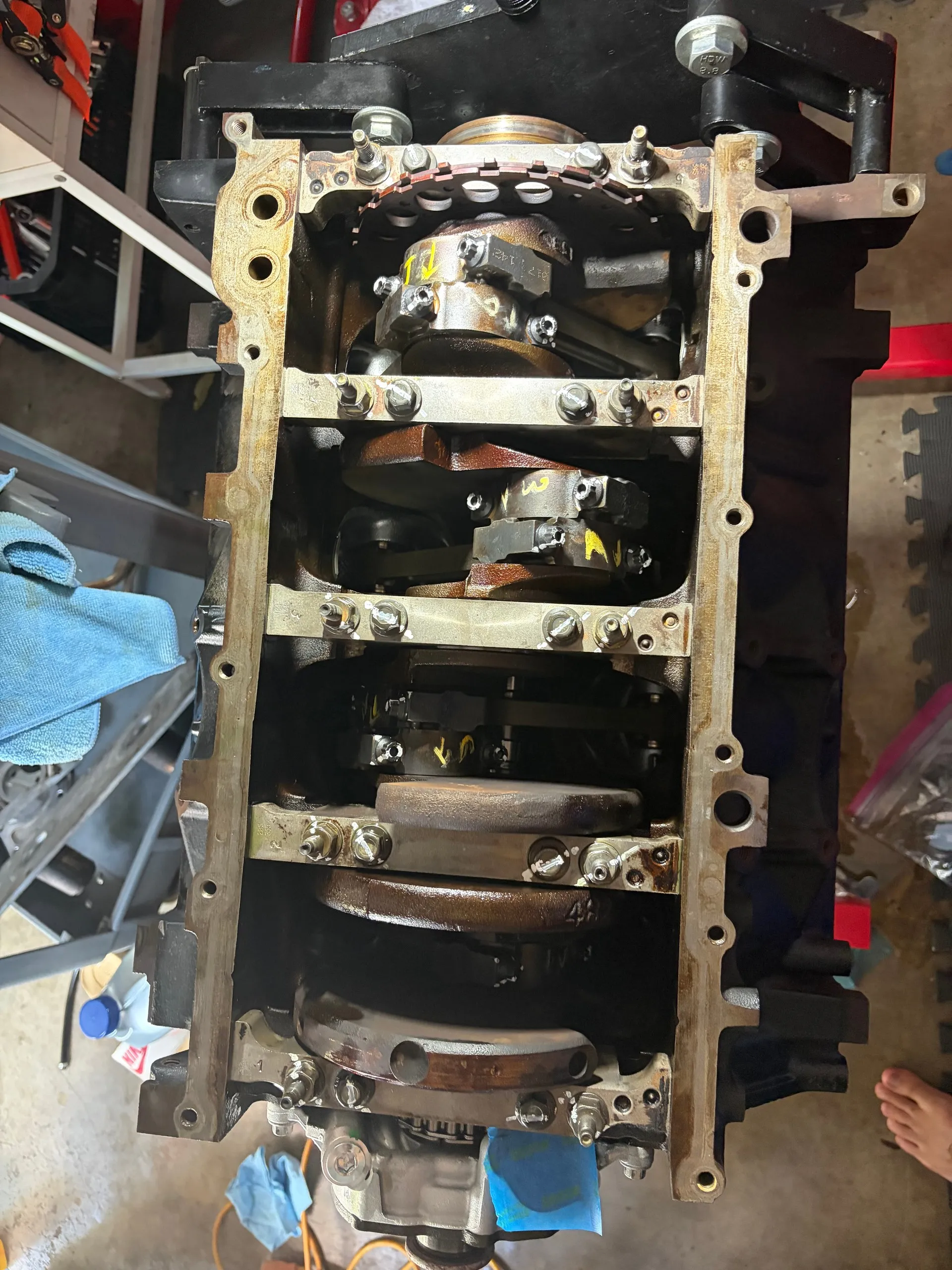
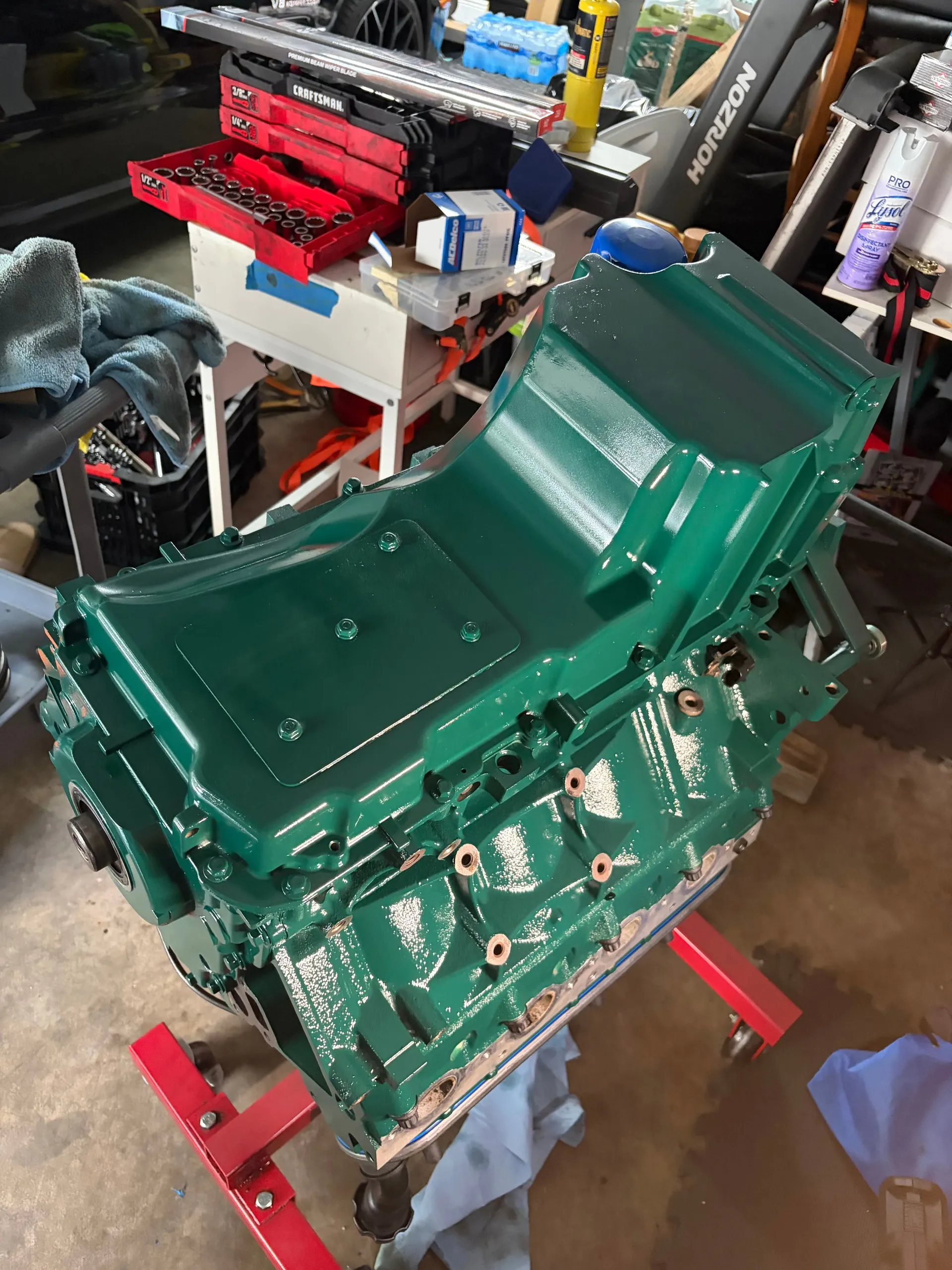
A cheap junkyard truck, taken apart to the block in my garage and rebuilt. The goal from the start was a forced-induction build, which makes it a practical test of everything I am learning about combustion, air pressure, and airflow rather than an exercise in bolting on parts.
It is also the reason the software project exists. Tuning this engine properly means knowing what it is actually doing, and the tools available either cost several hundred dollars or tell you very little.
The problem after the rebuild
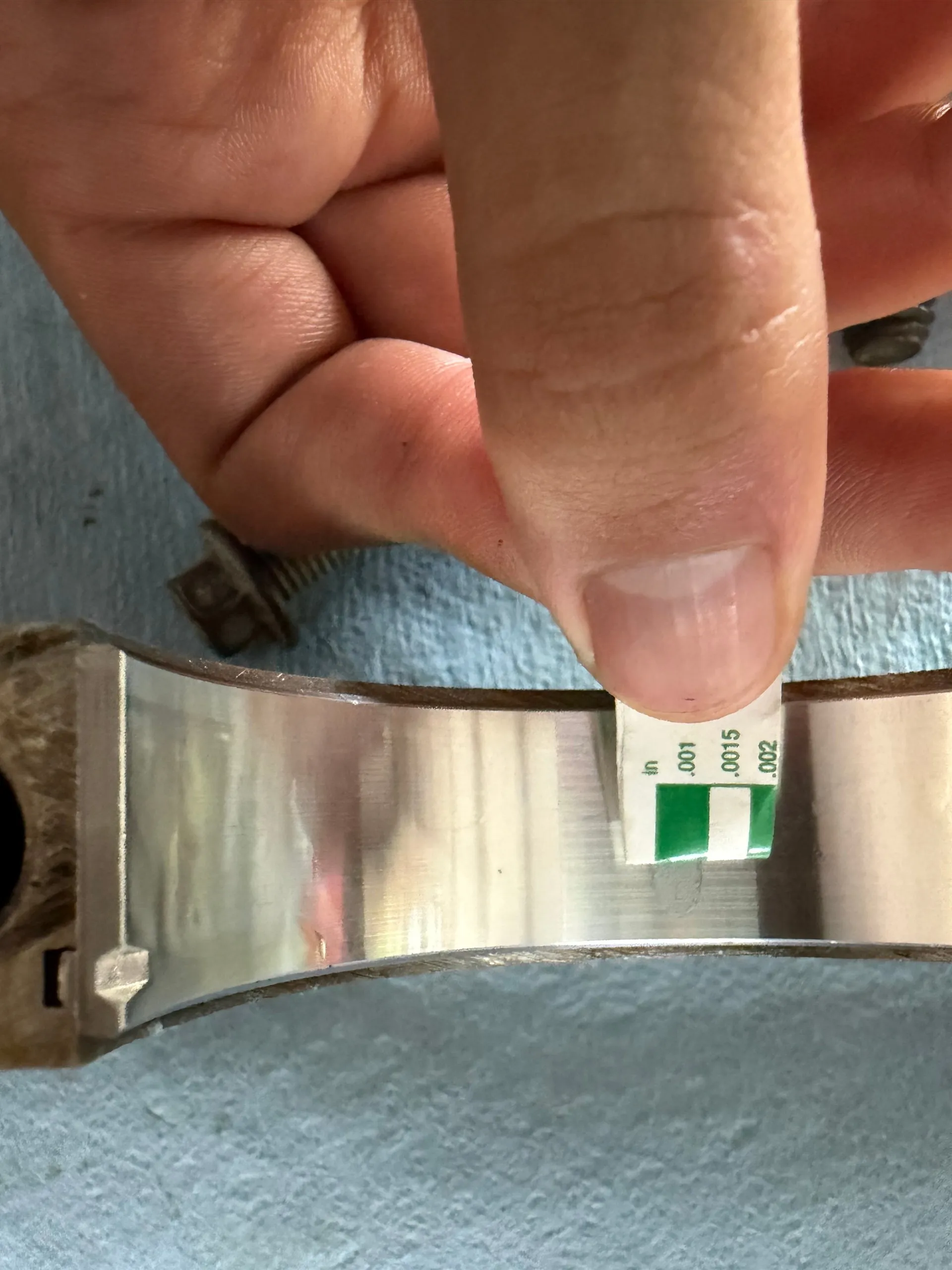
The engine misfired at idle and stalled coming to a stop. Everything about the assembly had been done to specification, which made it a more interesting fault than a straightforward mistake would have been.
The diagnosis
A smoke test showed the intake manifold leaking. The cause was the Fel-Pro gaskets: their locating tabs fouled the head studs and held the gasket off its seat. Nothing about the torque sequence or the parts themselves was wrong — the gasket simply could not reach the surface it was sealing against, so no amount of correct torque would have sealed it.
Tabs cut, gaskets reseated, intake reassembled. Idle quality and stalling resolved.
What comes next
Remaining driveability work moves to data logging on the P59 controller and to the volumetric-efficiency analysis I am building in Python — back-calculating measured VE from logged airflow, AFR, MAP, RPM, and intake temperature, and comparing it against what the engine should be capable of.